Paint protection film (PPF) often feels like a high-tech mystery, some people think it's just for fancy cars or that it's tricky and expensive to use. But the truth is, PPF can be a smart choice for almost any vehicle owner looking to keep their paint in great shape without hassle. After digging through lots of facts and busting common myths, I've put together this guide to clear up confusion and share what really matters when it comes to protecting your car's finish. You might be surprised by how easy, effective, and affordable protecting your paint can actually be.
Common myths about
paint protection film include beliefs that it is only for luxury cars, difficult to install, alters paint appearance, doesn't last long, is too expensive, cannot be washed or waxed over, and that all PPF products are the same. In reality, PPF benefits all vehicles by protecting paint without changing its look. Modern films last 5-10 years with self-healing properties, DIY kits simplify installation and reduce costs, regular washing and waxing are compatible when done properly, and top brands like XPEL offer superior quality compared to generic options.
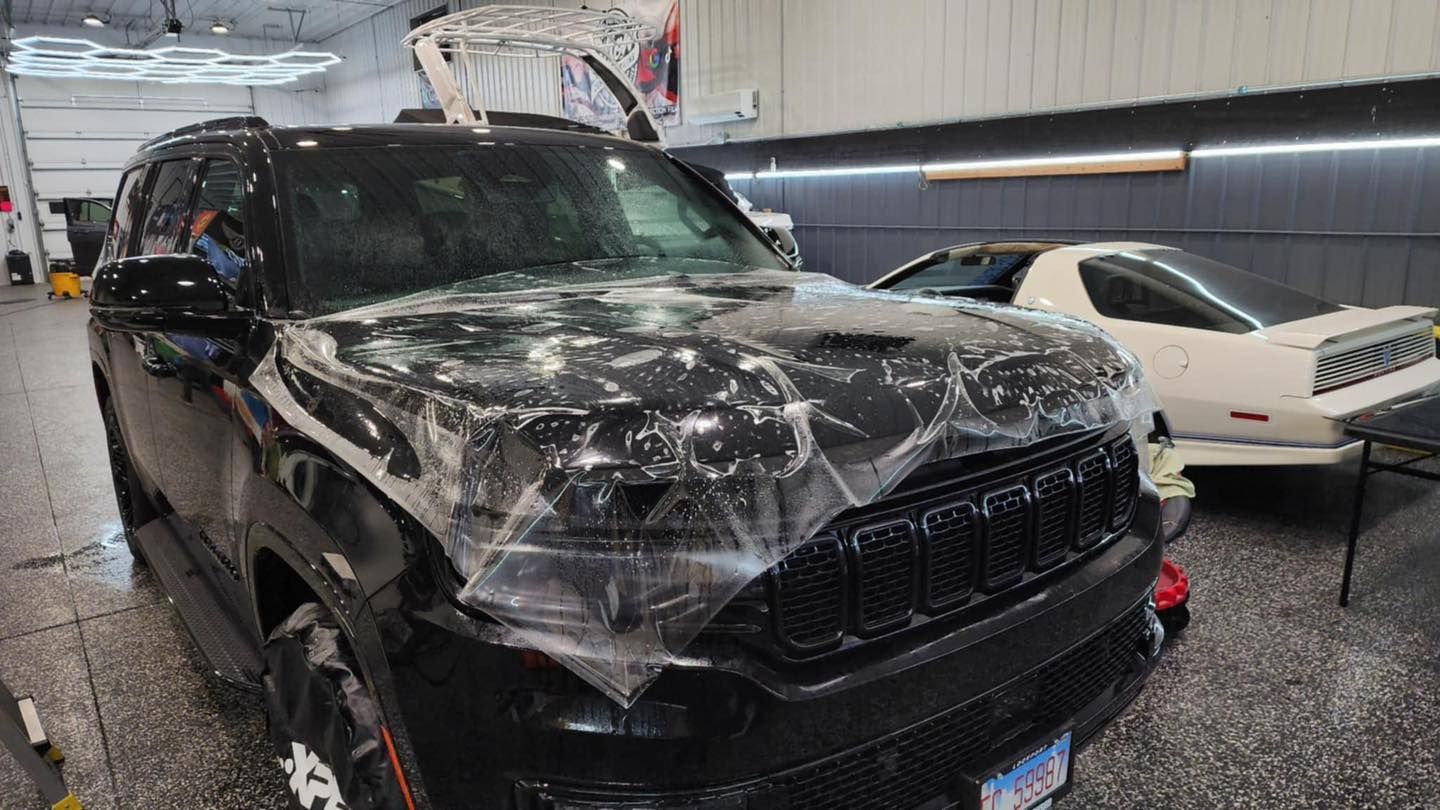
Unveiling the Myths About Paint Protection Film
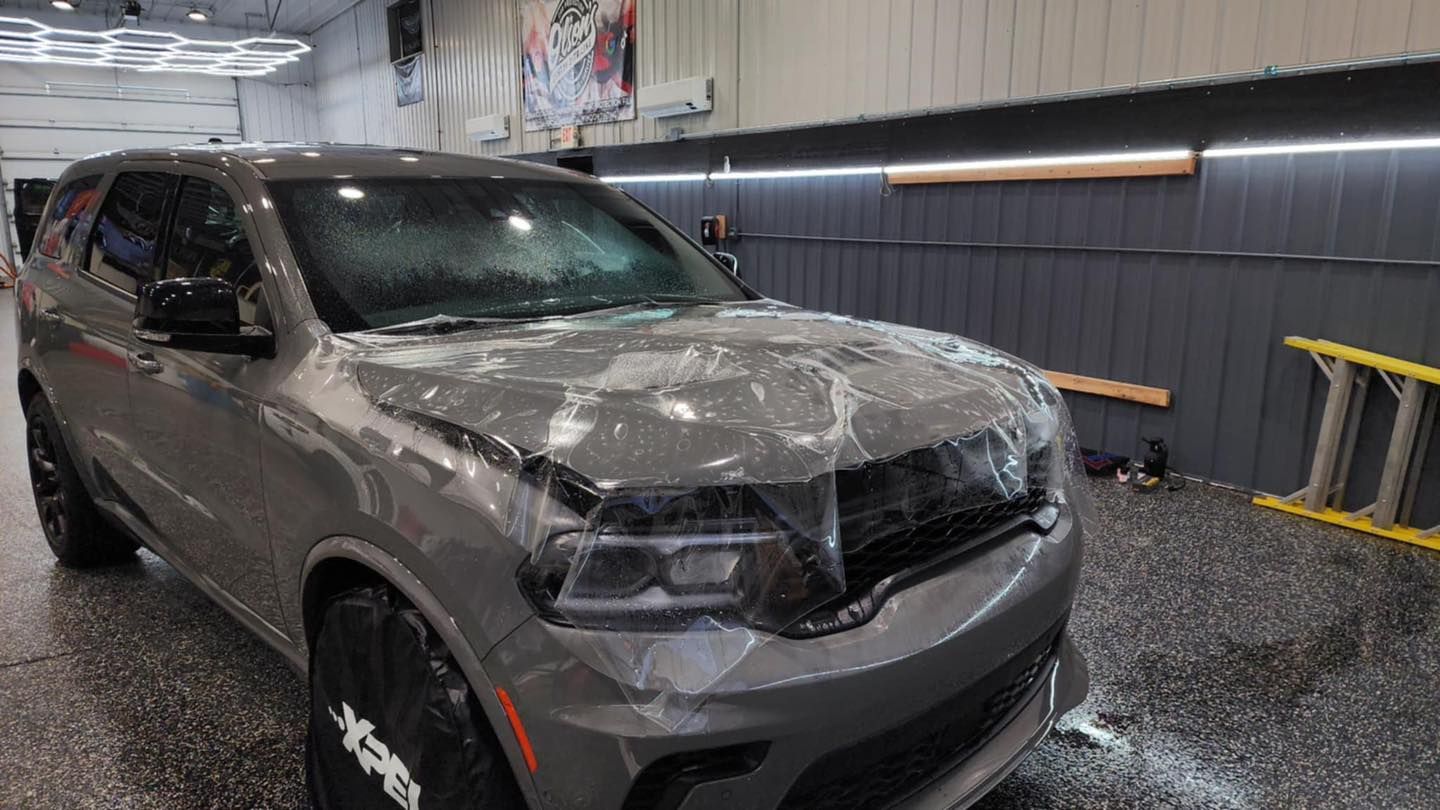
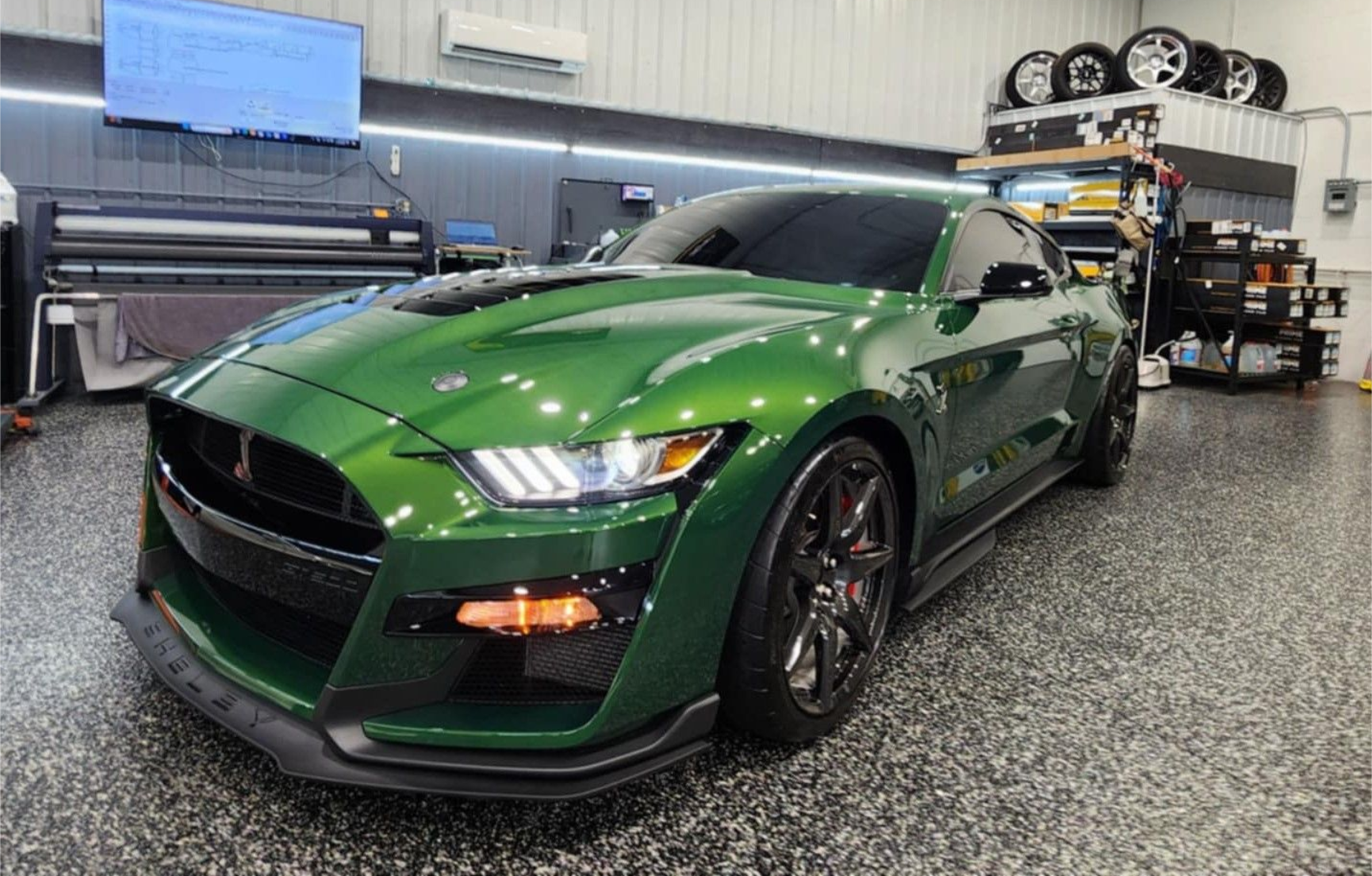
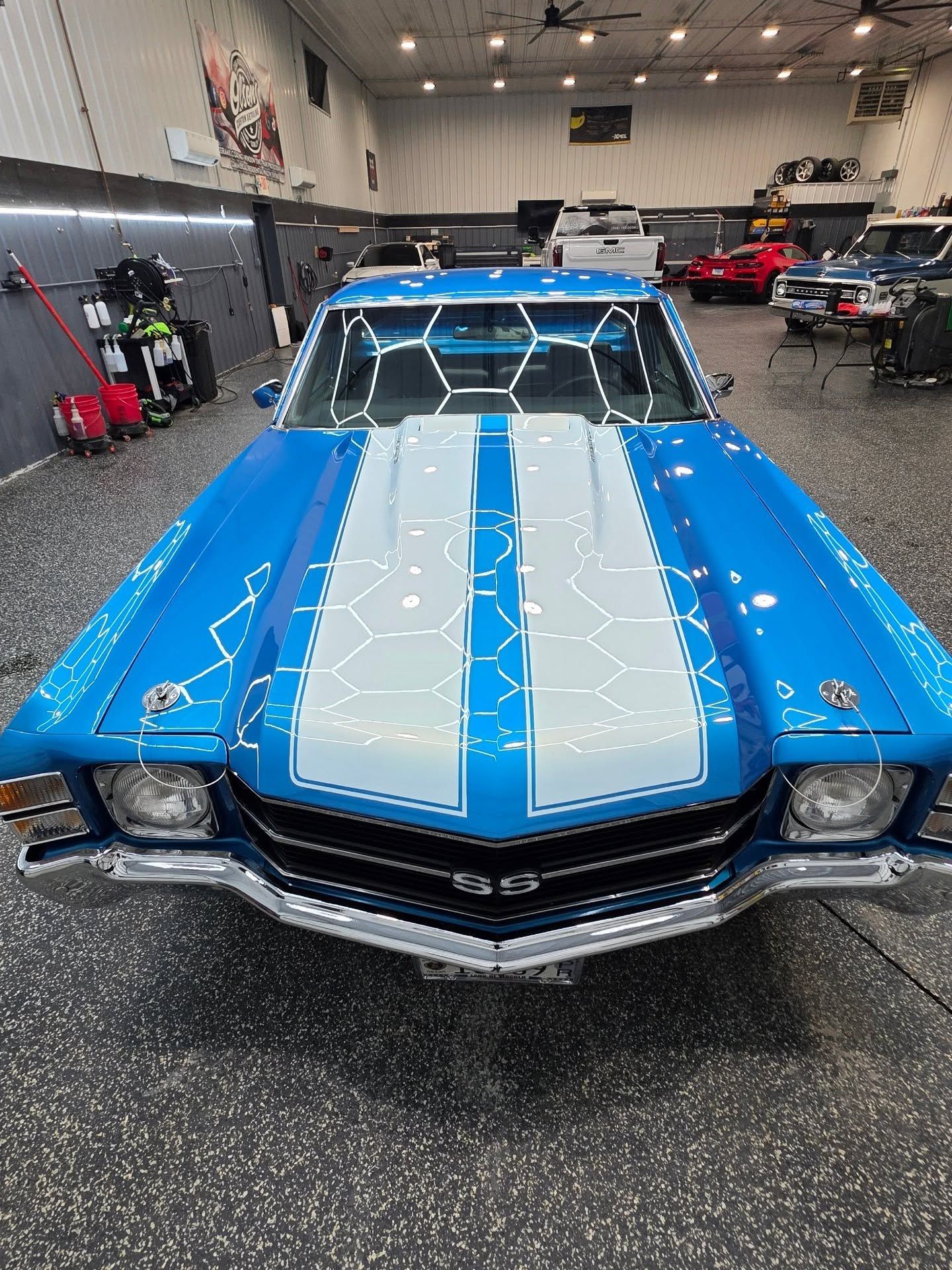
One of the biggest misunderstandings is that PPF is only for luxury cars. This perception limits many drivers from protecting their vehicles simply because they don't own high-end brands. In reality, PPF benefits any vehicle, from family sedans to work trucks, by creating a durable shield against everyday hazards like stone chips, road salt, and UV rays that are just as unforgiving on all paint types. Olson's Custom Detailing in Illinois regularly installs PPF on everything from economy cars to SUVs, proving protection isn't reserved for exclusivity but quality care.
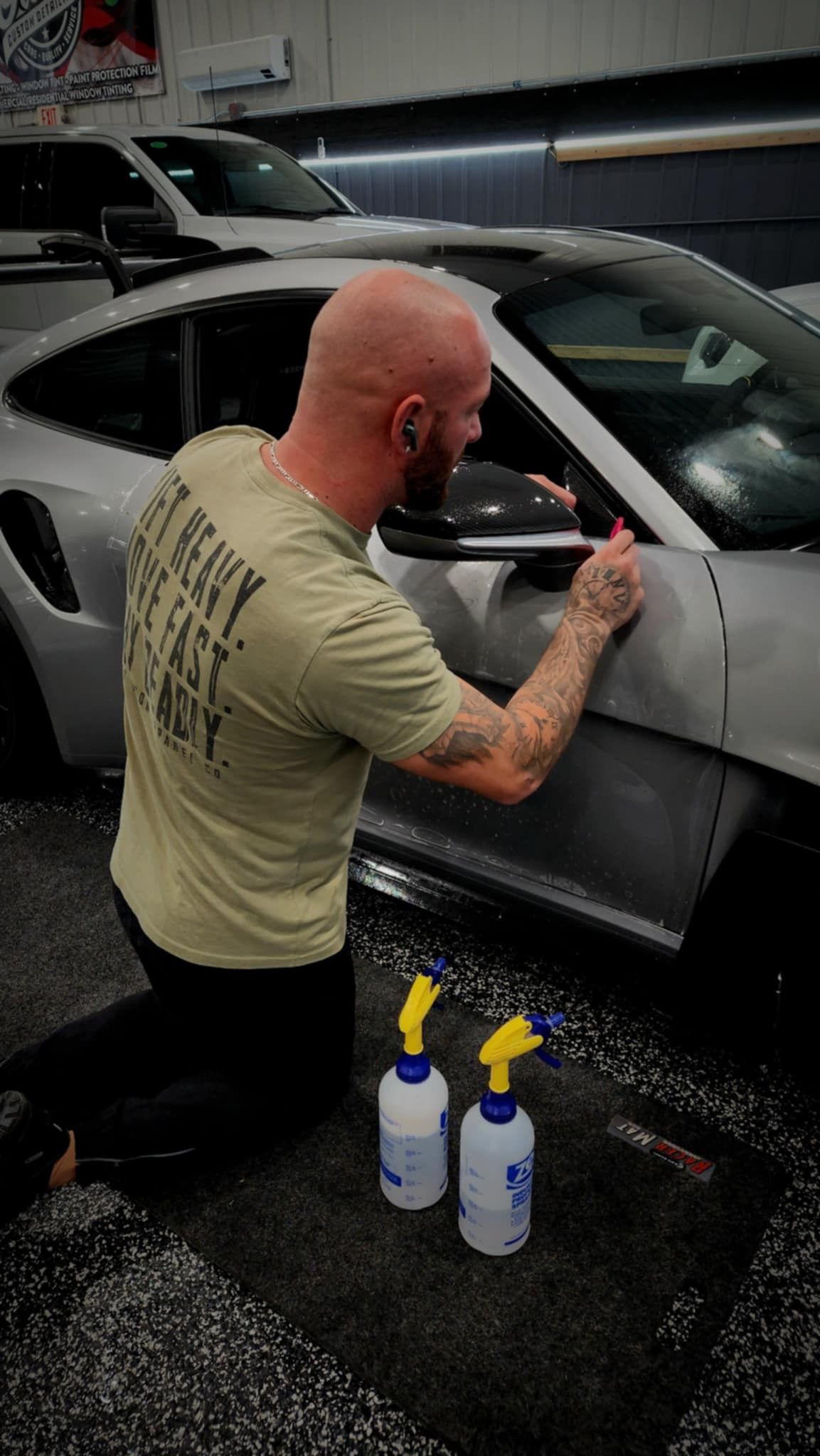
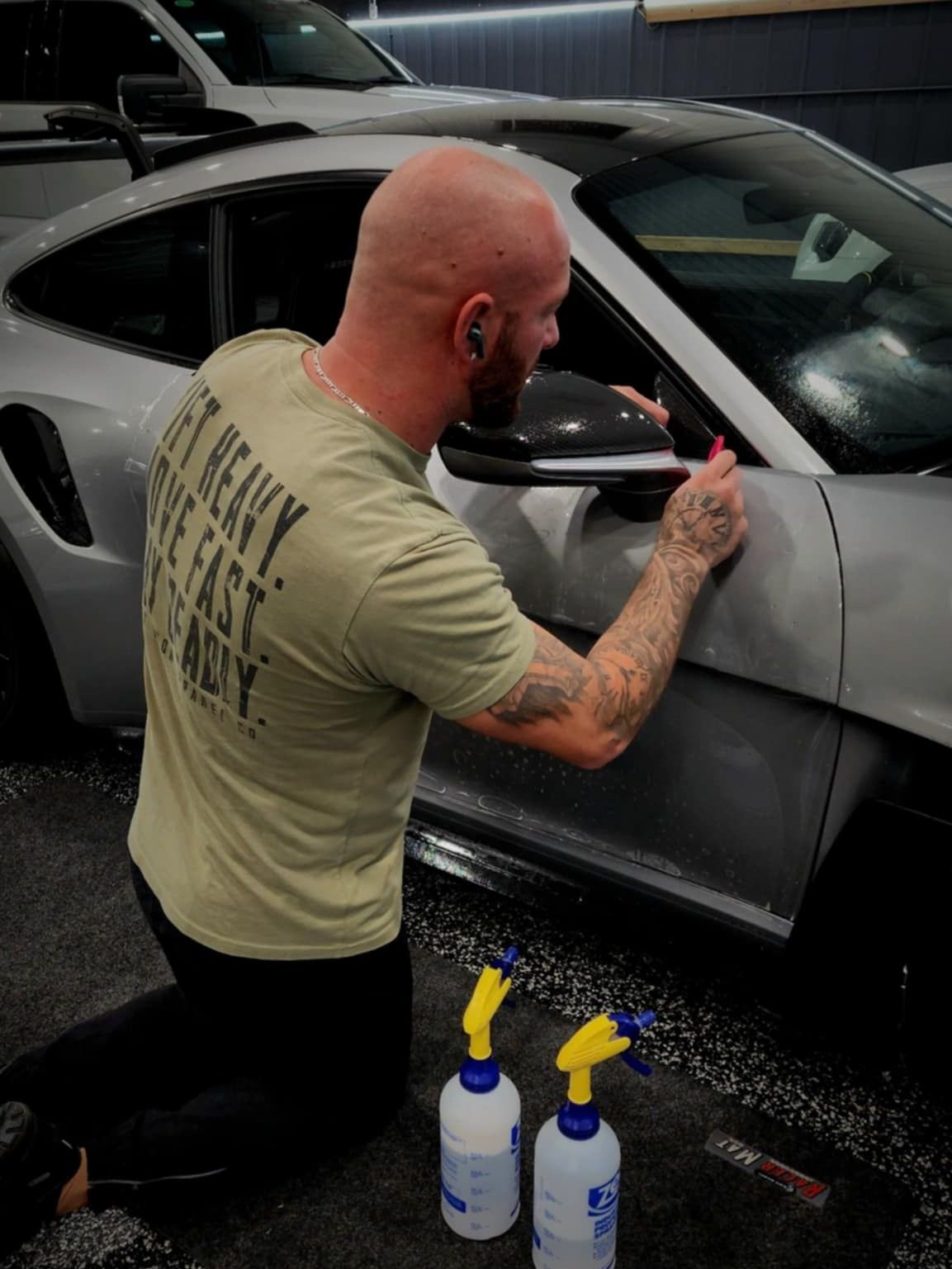
Another common misconception is that installing PPF is complicated and expensive. Thanks to advances like computer-cut precut kits from trusted brands such as XPEL, installation has become accessible to enthusiasts who want to save on labor costs without sacrificing precision. These kits come tailored for specific vehicle panels, requiring only simple tools like a spray bottle and squeegee for effective application. The DIY approach not only cuts down expenses but also demystifies the process, making top-tier protection available outside professional shops.
Beyond installation, some worry about how PPF might affect their car's appearance. Contrary to worries that PPF clouds or yellows a vehicle's paint over time, modern films are practically invisible and often enhance the finish's glossiness or satin texture. This clarity comes from advanced materials engineered to resist UV damage, a key factor in paint fading. Brands like 3M's Scotchgard Pro Series provide up to 99% UV blocking, preventing discoloration while maintaining showroom shine for years. This means your car doesn't just stay safer, it looks better longer.
There's also skepticism about PPF's lifespan and ability to protect long-term. Research shows that high-quality films last anywhere between 5 to 10 years, with built-in self-healing technology that repairs minor scratches within days if exposed to heat, from sunlight or even a warm garage. This property dramatically reduces surface wear caused by everyday contact with items like keys or branches, which otherwise degrade unprotected paint quickly.
With longevity established, many wonder about maintenance requirements and cost-effectiveness. It's important to know that washing and waxing your car over PPF is not only safe but recommended, provided you avoid harsh chemicals and use pH-balanced shampoos alongside non-abrasive waxes designed specifically for film surfaces. Proper care can extend your PPF's protective life while keeping its surface slick and clean. Considering the prevention benefits, like reducing costly repaint jobs or extensive chip repairs, the investment in PPF, especially via affordable DIY kits, pays dividends both in peace of mind and wallet health over time.
| Myth | Reality | Key Insight |
|---|---|---|
| Only for Luxury Cars | Protects all vehicles | Protection is universal; it's about care, not exclusivity |
| Difficult and Expensive | DIY precuts simplify installation | Modern kits make professional-looking results achievable at home |
| Changes Paint Appearance | Clear films enhance finish | High clarity materials maintain or improve paint gloss without yellowing |
| Doesn't Last Long | Films last 5-10 years with self-healing | Longevity supported by durable materials and scratch repair technology |
| Cannot Wash or Wax Over PPF | Washing/waxing is compatible | Using appropriate products sustains protection and appearance |
It's important to be discerning about which PPF brand you choose because not all films are created equal. Industry leaders like 3M™ Scotchgard™ Pro Series and XPELSupreme Defense Film incorporate proprietary adhesives, superior clarity, stain resistance, and robust finishes unmatched by generic options. Selecting a high-quality product significantly influences performance, durability, and overall satisfaction, something Olson's Custom Detailing advises every customer during consultations.
"Paint Protection Film changed how I feel about maintaining my car's look, it truly works as described," says a longtime client at Olson's after installing XPEL film with expert care.
These clarifications set the stage for deeper understanding of how PPF interacts visually with your vehicle's paintwork. Understanding this dynamic leads us directly into addressing concerns about whether paint protection film might negatively alter car appearance in ways some owners fear.
Myth: Paint Protection Film Ruins Car Appearance
One of the biggest reasons some drivers hesitate to invest in paint protection film is the fear that it will change how their car looks, often for the worse. Many imagine a thick, plastic-like layer that dulls their paint or creates noticeable edges, detracting from the vehicle's original beauty.
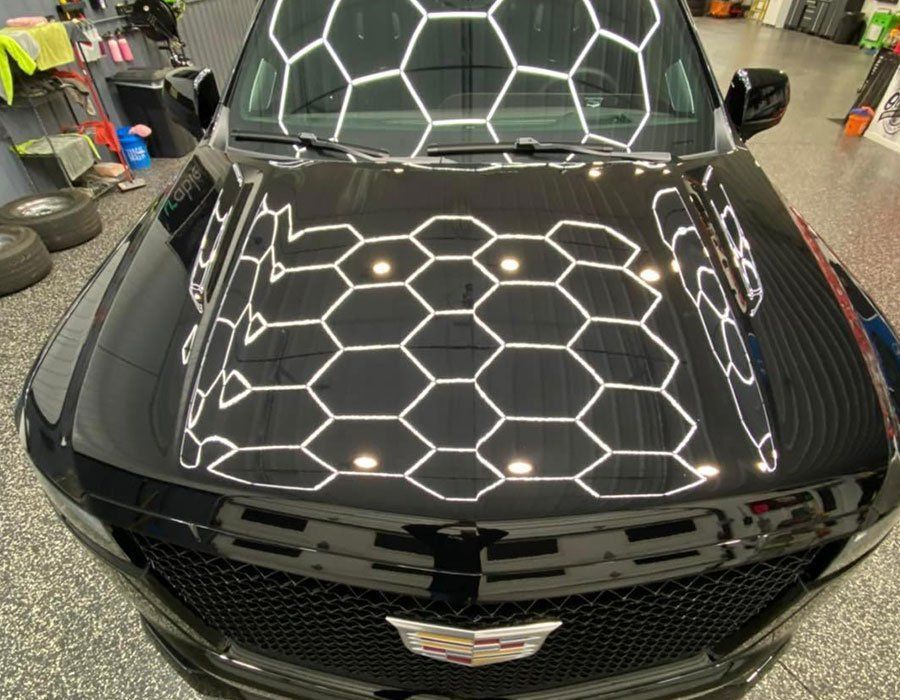
However, modern PPF technology has evolved dramatically, and today's films are meticulously engineered to be virtually invisible. In fact, instead of detracting from your car's appearance, high-quality PPF can enhance it by adding a sleek high-gloss or satin finish, which many enthusiasts find visually appealing.
The improvements don't happen by accident, leading manufacturers such as XPEL and 3M invest heavily in creating films with exceptional clarity and optical brilliance. Their products are designed to showcase your vehicle's original paint color and depth, preserving the factory shine rather than covering it up. This means that when you look at a car protected by premium PPF, what you see is not a dull protective layer but an enhanced vibrant finish that resists fading and yellowing over years of sun and weather exposure.
It's important to understand that proper installation is key to achieving this flawless look. Critics sometimes point out that PPF will inevitably show at seams or edges, which they argue ruins the aesthetic. While it is true that a poor installation can leave visible lines or bubbles, this problem isn't inherent to the film itself but rather to the skill of the installer. That's why selecting a trusted professional, who uses precise cutting tools and understands panel contours, is critical in ensuring the film integrates seamlessly with your vehicle's surfaces. Experienced installers use precision CAD-cut kits tailored to each model, ensuring edges are invisibly tucked away or aligned perfectly.
Take for example John, a luxury sedan owner who shares his experience: "Not only did the PPF keep my car looking new, but it also added a sheen that makes it look even better than before."
Stories like his reflect what countless car owners see, a boost in visual appeal paired with lasting protection. Supporting these testimonials, laboratory tests confirm that top-tier PPF formulations maintain over 90% gloss retention after 12 months, while untreated paints can lose 20-30% during the same period. Moreover, spectrophotometric analysis reveals less than 1% color shift under UV exposure on PPF-covered areas compared to notable fading on unprotected paint. This means your once shiny paint job stays vibrant longer under PPF protection, not hidden behind it.
If you're worried about compromising your pride and joy's aesthetics when considering paint protection film, rest assured that advancements in film technology combined with professional installation make this concern largely unfounded. Instead of fear, think of PPF as an investment not only in durability but in extending and highlighting your vehicle's natural beauty.
Myth: It's Only for High-End Vehicles
Many people assume paint protection film is exclusively for flashy luxury cars, the kind that turn heads and command premium prices. This perspective couldn't be further from the truth. PPF is designed to guard any vehicle, whether it's a humble commuter sedan or a family SUV. It acts as a durable shield against everyday hazards like rock chips, salt, bugs, and UV rays that all cars face regardless of brand or cost.
Think about how often you see small dings or scratches on vehicles in parking lots or highways, not just on high-end models, but on economy cars too. These minor blemishes may seem insignificant day-to-day but can compound over time into expensive repairs or diminish your car's aesthetic and resale value. Applying PPF early helps preserve the factory paint without demanding costly repainting down the road.
In fact, industry data reveals that nearly half of all PPF installations last year were on mid-range and economy vehicles. About 60 percent of buyers fall in the 25- to 45-year-old demographic owning non-luxury cars, which echoes the rising awareness among everyday drivers. Market growth in PPF adoption shows an annual increase of 15 percent among these segments over five years, clear evidence more people realize that protection isn't just for luxury vehicles.
Of course, some skeptics view paint protection film as an unnecessary expense for budget-conscious car owners. Yet, this viewpoint overlooks two important angles: first, DIY precut kits from trusted brands make installation affordable and accessible; second, cars with well-preserved paint inevitably fetch higher resale prices. A well-maintained finish signals care and attention to potential buyers, which can translate into tangible financial advantage when it's time to sell.
So whether you drive a reliable mid-sized sedan, a versatile crossover, or even an older model pickup truck, considering paint protection film makes practical sense. Opting for high-quality films such as those from 3M or XPEL ensures durability and clarity without altering your vehicle's appearance. Plus, with self-healing technology and UV resistance built into many modern products, your investment will keep working quietly in the background for years.
"PPF isn't about luxury, it's about longevity and peace of mind no matter what car you drive."
Ultimately, protecting your vehicle's exterior is less about status and more about smart ownership. The invisible armor that PPF provides does not discriminate between brands or price tags, it simply defends your car's paint every day against harm that can strike anywhere on the road.
Myth: It Doesn't Protect from Minor Damage
Many car owners hesitate to invest in paint protection film because they think scratches will still ruin their vehicle's finish. However, this idea vastly oversimplifies what modern PPF can do. Today's high-quality films are engineered with self-healing capabilities, meaning that light scratches and swirl marks vanish when the film is exposed to moderate heat.
This self-repair happens because the top layer of the film is made of a thermoplastic polyurethane material that softens and flows back into place when warmed, restoring a smooth, flawless surface.
Imagine you accidentally brush a set of keys across your car's door and leave a minor scratch. With PPF installed, such a mark won't be permanent. By simply letting the sun's natural warmth or even a hairdryer gently heat the area for a minute or two, the minor scratch visibly fades, or sometimes disappears completely. This capability not only preserves your vehicle's pristine look but also reduces the need for costly touch-ups or resprays.
Brands like XPEL's Ultimate Plus and SunTek's Ultra have been industry leaders precisely because of these advanced self-healing features. These films don't just sit on your car's paint like a flimsy sticker; they actively work to maintain its appearance over time. The difference becomes clear when you compare vehicles with and without PPF after a year of regular road use: cars with quality PPF consistently show far fewer visible imperfections.
If you want to try it yourself, take a small warm air source, say, a hairdryer set on low heat, and hover it about six inches above a scratched section on your film-covered hood or bumper. As the film softens slightly, many of those scratches will melt away as if by magic, leaving you with a smooth surface again.
But what happens if your car suffers deeper scratches beyond what the film alone can fix? Even then, PPF acts as a robust shield preventing those damages from ever reaching your vehicle's actual paintwork. In cases where scratches go through the film, even if they leave faint marks, the important thing is that they aren't etched into the paint beneath. This means your vehicle's finish remains intact and protected from corrosion or fading caused by exposure to elements where bare metal or clear coat would suffer damage.
Think of PPF like wearing protective gloves while handling rough materials: yes, some scratches might appear on the glove itself, but your hands remain safe underneath. That protective barrier translates into huge savings since repainting your car's panels is expensive and often involves labor and materials costing hundreds or thousands of dollars.
Studies have shown that vehicles equipped with properly installed PPF experience up to 70% fewer visible paint scratches in typical urban driving environments compared to unprotected cars. Additionally, proprietors who trust reliable brands report satisfaction not only in surface aesthetics but also in how their investment retains resale value over several years.
It's worth noting that not all PPF products offer equal performance, selecting films from reputable manufacturers such as 3M or XPEL ensures maximum scratch resistance combined with excellent clarity and longevity.
"Paint Protection Film does far more than you might think, it's not just cosmetic insurance; it actively maintains your car's beauty against everyday wear."
Myth: It's Too Expensive
Paint protection film does carry an upfront price tag that can seem steep at first glance, but looking deeper reveals how it actually saves money over time. Many car owners focus on the initial installation cost without factoring in the long-term expenses related to paint repair. Yet, frequent encounters with rock chips or minor scratches can lead to repeated touch-ups or even full repainting, each costing hundreds or thousands of dollars. PPF acts like an investment, shielding your vehicle's finish and thereby reducing those recurring costs significantly.
To understand this better, it helps to compare typical costs side by side. Traditional repairs start adding up when you consider paying several hundred dollars for every scratch repair. Over a few years, that accumulates to a considerable sum and rarely restores your car to pristine condition. On the other hand, high-quality paint protection films, especially those with self-healing properties like XPEL or 3M Scotchgard Pro Series, handle minor abrasions naturally, meaning no costly visits to the body shop for small damage.
| Cost Element | Traditional Repainting | PPF Installation |
|---|---|---|
| Minor Scratch Repair | $150 - $300 | $0 (self-healing) |
| Full Car Repainting | $3,000 - $10,000 | $1,500 - $5,000 |
| Annual Maintenance | $200 - $300 | $50 - $150 |
| Long-Term Value | High repaint costs | Minimal maintenance costs |
Apart from savings on repairs, there's also the intangible but very real benefit to resale value. Vehicles protected by PPF typically command higher prices on the used market, some studies report up to 10% greater resale value, because they look fresher and have fewer blemishes. This resale boost offsets part of the initial investment when it comes time to sell or trade in your vehicle.
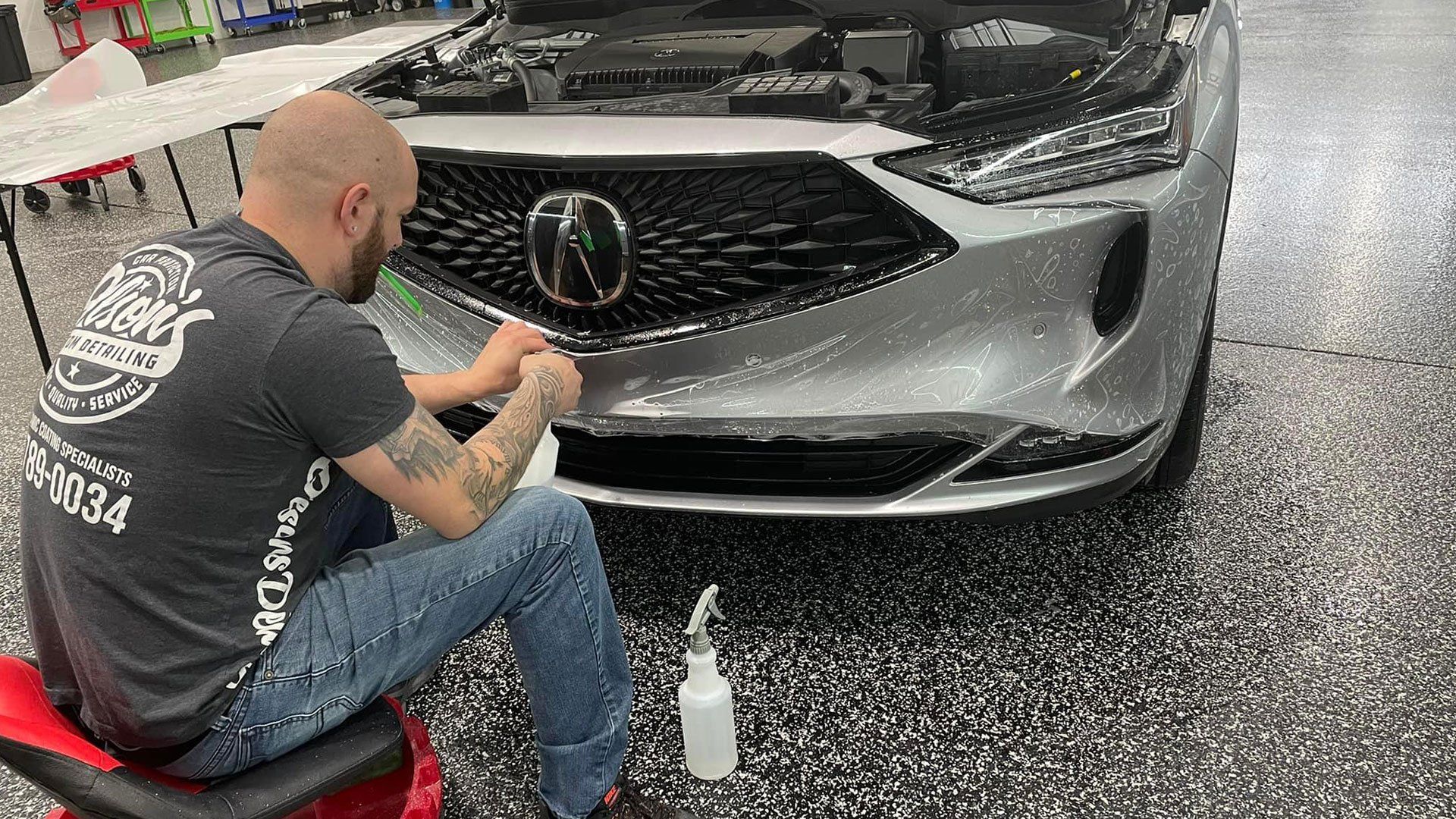
For many who find professional installation too costly, DIY precut kits offer a practical alternative. Providers like rvinyl.com create vehicle-specific film kits with exact CAD-cut pieces designed for straightforward application using simple tools such as a spray bottle and squeegee. While DIY installation requires patience and care, it significantly reduces upfront expenses and makes PPF accessible to everyday drivers who want premium protection without breaking the bank.
When weighing cost against potential damage and depreciation over just five years, the numbers lean heavily in favor of investing in quality paint protection film.
Installation Misconceptions
One of the biggest misunderstandings about paint protection film centers on how difficult and messy the installation process is. People often imagine a huge ordeal requiring specialized tools and a professional's finesse, complete with hours of frustration. The truth is quite different today, thanks to several advancements in PPF technology and preparation.
Modern PPF kits come precut for specific vehicle makes and models. This means each piece fits exactly onto parts like the hood, fenders, or mirrors without guesswork or risky trimming. These CAD-cut designs reduce common DIY mistakes such as uneven edges or overlapping film that can trap air bubbles or dirt underneath. Because the pieces are tailored precisely, you simply lay them onto the corresponding spot.
For most DIY installations, all you need are some basic household tools: a spray bottle filled with soapy water (also known as slip solution) to help reposition the film on your car's surface without premature adhesion, and a squeegee to push out trapped air and excess liquid. Using these simple tools keeps the job clean and straightforward while producing a smooth finish almost anyone can achieve.
Of course, if you prefer peace of mind or want a flawless showroom-level result, professional installation remains a valuable option. Experienced installers bring not only skill but controlled environments, dust-free rooms heated to optimal temperatures, that help ensure perfect adhesion without creases or damage. Their work typically comes with extended warranties covering peeling, yellowing, or cracking.
Many vehicle owners who've tackled PPF themselves find success by carefully following step-by-step tutorials available online alongside official manufacturer guidelines. They report feeling empowered by accomplishing the task at home while saving considerable costs compared to professional services. In fact, about 30-40% of DIY enthusiasts say their results were satisfactory enough to recommend the approach to others willing to invest time and patience.
It's worth noting some of the common issues that plague less experienced installers: air bubbles beneath the film surface occur largely when slip solution isn't adequately applied or squeegeed out; misalignment happens when pieces aren't correctly matched to body panels; and premature peeling sometimes results from not allowing proper curing times after application. Awareness of these specific pitfalls helps prevent frustration and ensures better outcomes.
For those deciding between DIY and professional routes, consider your comfort level with meticulous handiwork, availability of controlled workspace, and willingness to learn installation nuances. When equipped with quality precut kits from manufacturers like 3M or XPEL alongside patience and proper technique, many drivers achieve excellent results while protecting their investment effectively.
"With today's precut kits and clear instructions, installing PPF yourself is no longer a mysterious challenge but an accessible way to keep your vehicle looking pristine," remarked an experienced installer at Olson's Custom Detailing.
Long-Term Benefits of Paint Protection Film
Paint protection film isn't just a quick fix for surface scratches or chips, it's a lasting shield that works over years. Many modern PPF products come with durability warranties extending up to 10 years, which means this protective layer actually freezes the aging process of your car's paint. This longevity turns what might seem like an upfront expense into a real, sustainable investment in your vehicle's future appearance and protection.
One of the most significant benefits is UV resistance. The sun's ultraviolet rays relentlessly fade automotive paint over time, turning vibrant colors dull and lifeless. PPF acts like invisible sunglasses for your car, preventing this oxidation and preserving the original shine and depth of color you fell in love with when you bought it.
But UV protection is just one piece of the puzzle. Equally important is the film's chemical resistance. Picture those annoying bird droppings or bug splatters after a long highway drive, these aren't just unsightly; they're acidic substances that can eat away at paint if left unattended. With PPF, these harmful chemicals don't reach the paint beneath, letting your exterior maintain that flawless finish without stress.
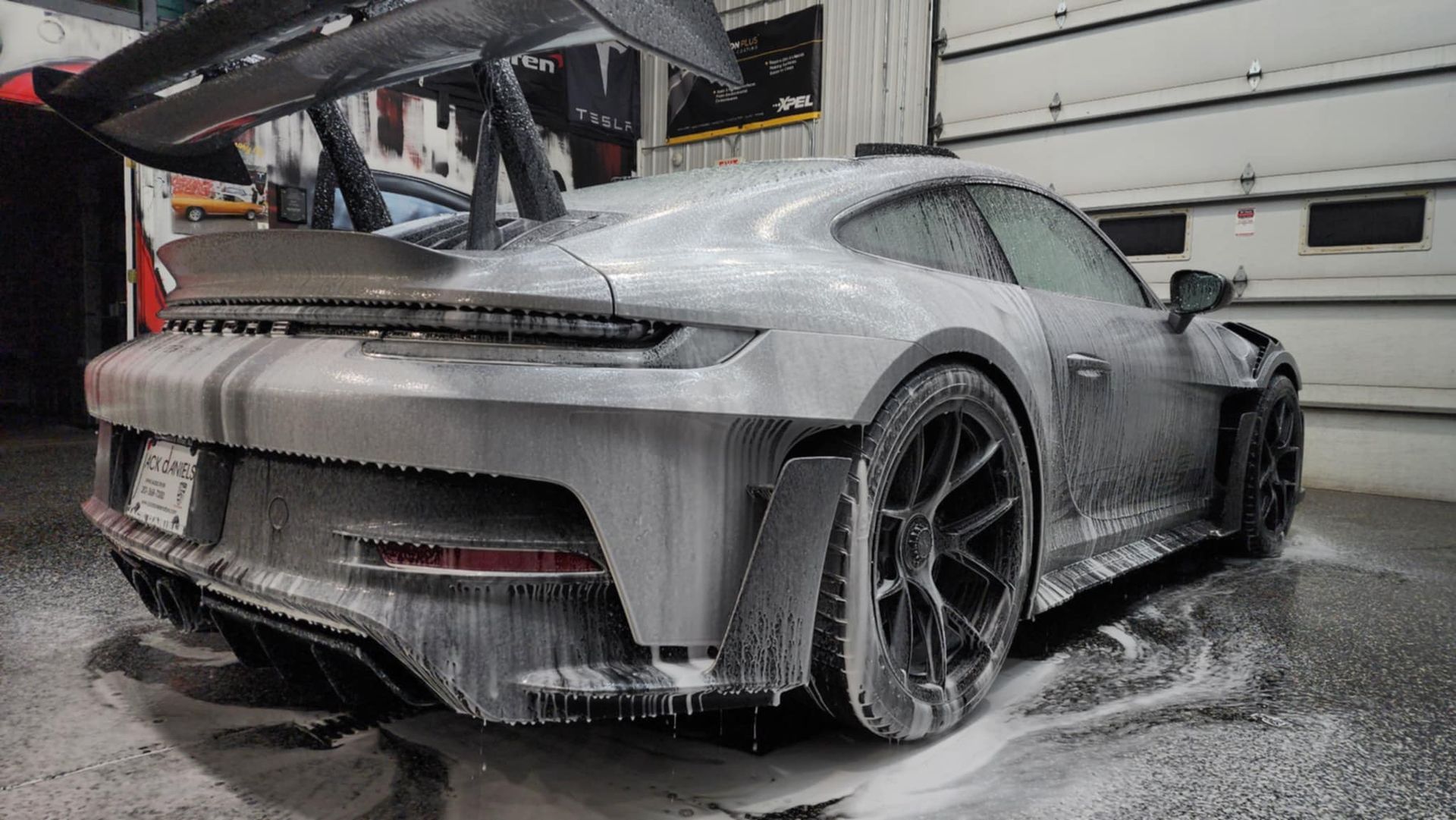
Cleaning your car becomes less of a hassle thanks to the hydrophobic nature of high-quality paint protection films. The smooth surface created by PPF actually repels water and dirt, making wash days quicker and less taxing. Instead of scrubbing stubborn grime or dealing with bug remains stuck fast to your bumper, you'll find that much of this debris slides right off during a rinse. This means less frequent need for aggressive cleaning techniques that themselves can cause fine scratches, a vicious cycle many unaware car owners fall into.
To break down the most valuable long-term advantages:
| Benefit | Description |
|---|---|
| UV Resistance | Guards paint against fading caused by sunlight |
| Chemical Resistance | Protects from acid rain, bird droppings, and insect acids |
| Ease of Cleaning | Hydrophobic surface repels dirt and water |
| Resale Value Boost | Maintains aesthetic condition, leading to higher resale price |
Maintaining a pristine exterior isn't just about vanity, it has clear financial implications. Cars protected by PPF typically command about 15% higher resale values compared to similar vehicles left exposed to daily wear and tear. This preservation effect translates into real savings when you eventually trade in or sell your car.
Investing in quality paint protection film might feel like an optional upgrade at first glance, but understanding its ability to protect your vehicle against environmental damage while enhancing aesthetics shows why it's an economical choice over time. If you plan on holding onto your car for years or want to keep it looking freshly detailed well past the showroom shine, PPF offers peace of mind that pays dividends every time you turn the key.
Final Thoughts
Paint protection film has come a long way from the thick, yellowing sheets of the past. Today's PPF represents a smart, proven solution for anyone who takes pride in their vehicle, regardless of whether you drive a family sedan or a weekend sports car. The myths we've explored often stem from outdated information or misunderstandings about how modern technology has transformed this protective solution.
What matters most is making an informed decision based on facts, not fears. Whether you choose professional installation for that showroom-perfect finish or tackle a DIY kit to save costs, quality paint protection film delivers real value through years of reliable protection against the daily hazards your vehicle faces on Illinois roads, from harsh winters to summer sun.
At Olson's Custom Detailing, we've seen firsthand how PPF transforms not just vehicles, but our customers' peace of mind. They drive with confidence knowing their investment is protected, and they enjoy vehicles that maintain their beauty year after year. If you're in Tinley Park, Joliet, Mokena, or the surrounding areas and want to learn more about how paint protection film can benefit your specific vehicle, we're here to help with honest advice and expert installation.
Your car deserves protection that works as hard as you do. Give us a call at (708) 789-0034 or visit our website to schedule a free consultation and discover how PPF can keep your vehicle looking its absolute best.