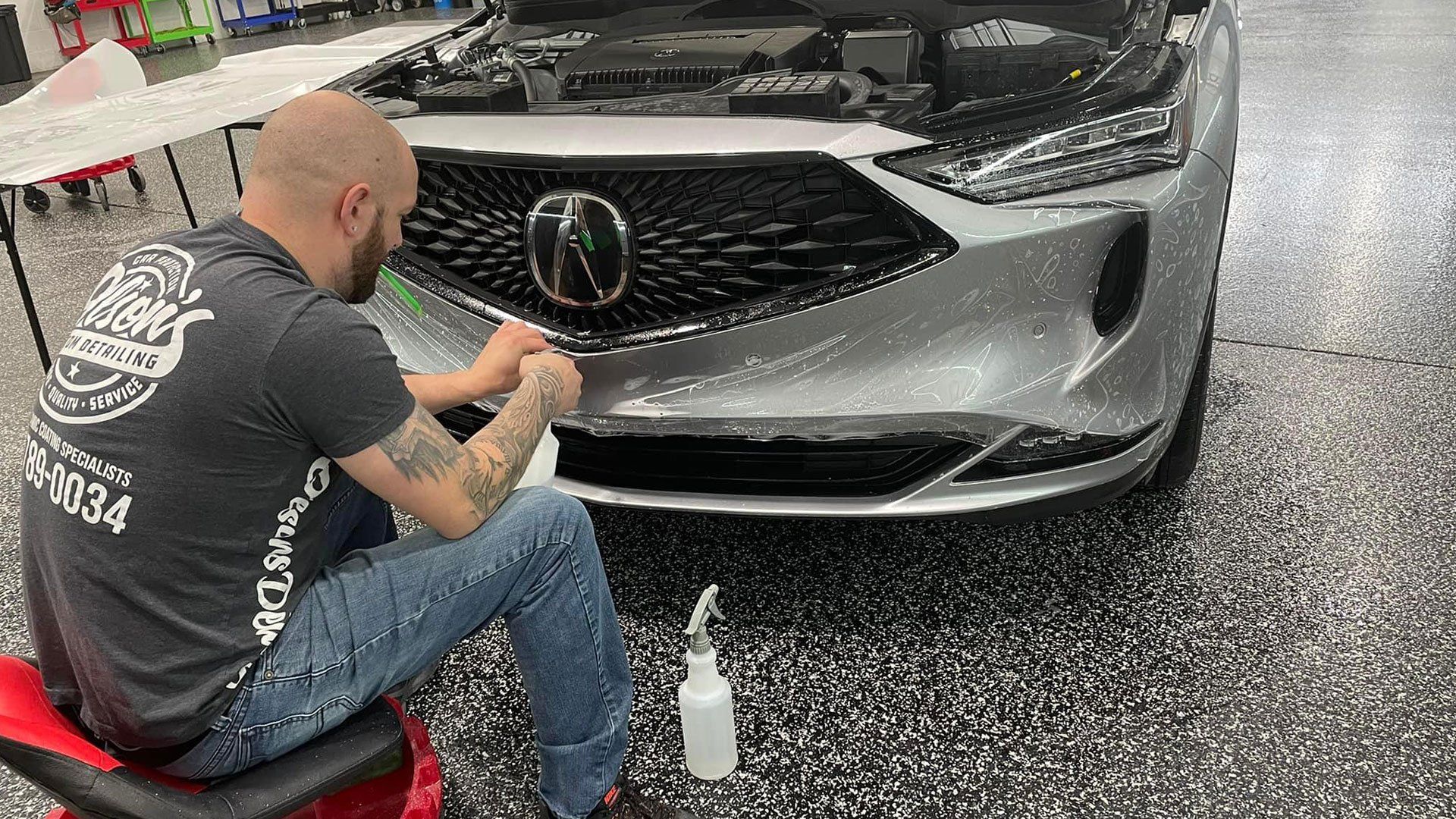
You spent serious money on paint protection film. Whether it's guarding the hood of your Porsche from highway gravel or keeping the rocker panels of your truck clean through another brutal New Lenox winter, PPF is one of the smartest investments you can make in your vehicle's long-term value. But here's what most installers won't tell you at the point of sale: the film is only half the equation. How you maintain it determines whether it looks flawless for a decade or starts lifting, yellowing, and clouding within a few years.
At Olson's Custom Detailing Inc., we install PPF every day, and we see the aftereffects of poor aftercare just as often. Clients come in with film that's peeling at the edges, hazy from UV exposure, or etched from bird droppings that sat in the summer sun for a few hours too long. Every one of those situations was preventable. This guide gives you the complete picture, so yours never ends up on that table.
The Golden Rule: Respect the Curing Period
The first seven days after installation are the most critical window of your film's entire lifespan. The adhesive needs time to fully anchor itself to your vehicle's clear coat, and anything that disrupts that process, including water, soap, or moisture, can compromise the bond before it ever fully sets.
Do not wash your vehicle for at least 7 days after installation. No exceptions, no "quick rinses," no driving through rain if you can avoid it.
Here's a pro tip we give every Olson's customer: during those first few days, park your car outside in direct sunlight when possible. Heat from the sun accelerates the adhesive cure and helps the film conform tightly to the contours of your panels. You're essentially using nature as a curing oven. If you live somewhere with a heated garage, that works too. Just prioritize warmth and airflow during those first 48 to 72 hours, especially.
The Safe Washing Routine (Step-by-Step)
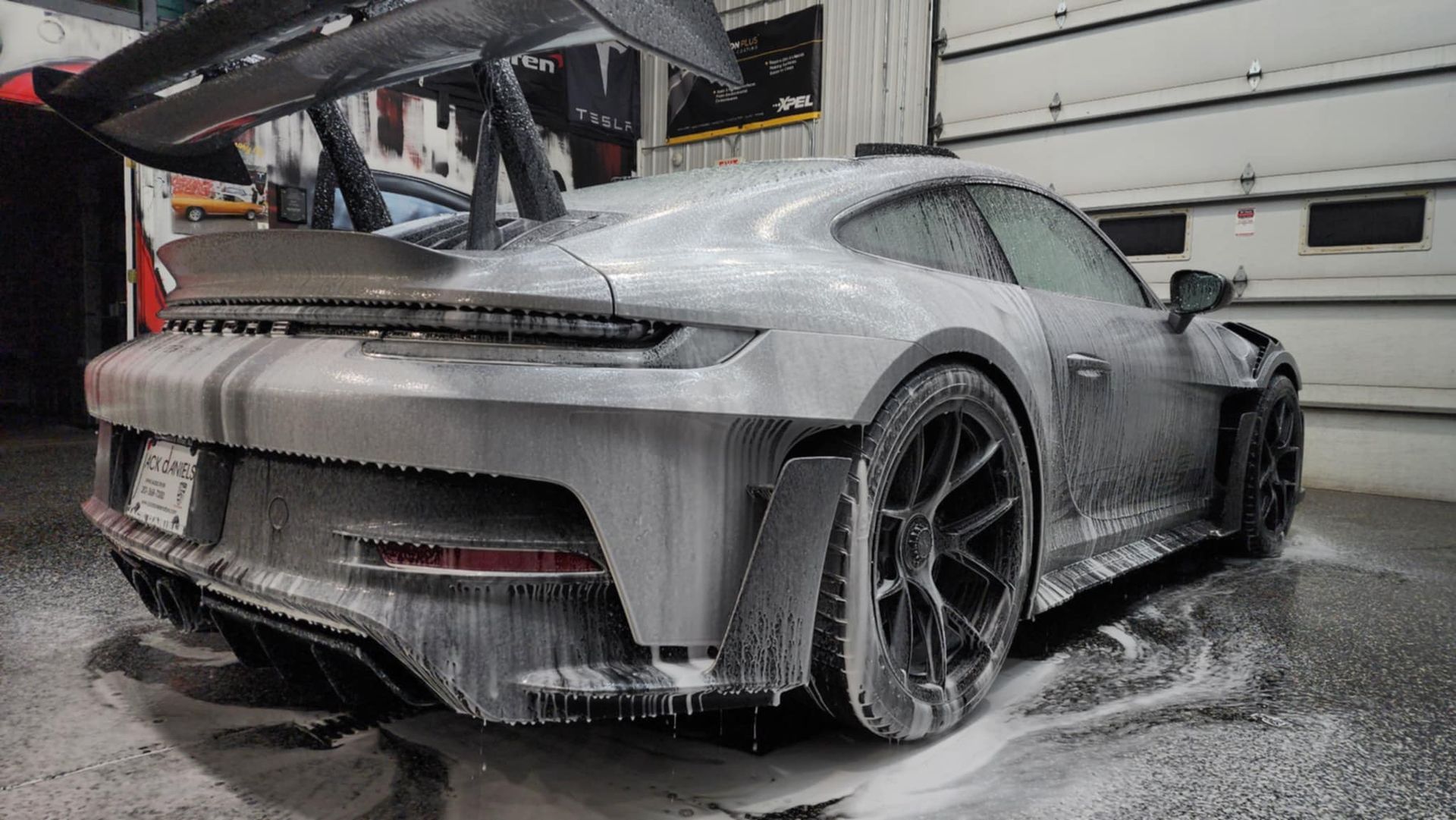
Once your curing period is complete, you need a washing method that cleans the film without abusing it. The two-bucket method is the professional standard, and for good reason.
How the two-bucket method works: Fill one bucket with your pH-neutral car shampoo solution and one bucket with clean rinse water. After each pass across the paint, rinse your mitt in the clean bucket before reloading it with soapy water. This prevents the dirt and grit you just pulled off the film from going right back onto the surface, which is exactly how micro-scratches happen.
Chemistry matters more than most people realize. PPF is chemically sensitive. Use only a pH-neutral car shampoo formulated without wax, petroleum distillates, or harsh surfactants. Wax-containing shampoos can interfere with the film's self-healing topcoat and leave a residue that dulls the clarity.
Washing technique: Always wash in straight, overlapping lines rather than circular motions. Circular scrubbing is a habit most people carry over from waxing, but on PPF it creates swirl patterns in the topcoat that catch light and become visible over time, especially on dark-colored vehicles.
Drying: Skip the chamois entirely. They create friction drag across the film surface and can cause micro-tears over time. Instead, use a high-GSM plush microfiber towel, ideally 500 GSM or higher, and blot rather than drag. Even better, use a cordless leaf blower or a dedicated car dryer to blow water off the surface entirely. Zero contact, zero risk.
Pressure Washing: The Distance Rule
Pressure washers are convenient, and they're fine to use on PPF with one non-negotiable rule: keep the nozzle at least 12 to 24 inches away from the surface at all times and use a wide fan tip rather than a concentrated stream. Pressure above 1,500 PSI directed too close to the film can force water underneath the edges, break the adhesive seal, and start a lift that spreads over time.
The most critical warning we give at Olson's: never aim the water stream directly at the edges or seams of the film. This is where 90% of pressure-washer-related PPF damage originates. The leading edges on your hood, the wrap-around corners on your bumper, and the door cup areas are all points where the film terminates, and they are the most vulnerable. Angle the spray parallel to the edge, not perpendicular to it.
Environmental Contaminants: Act Fast
New Lenox roads are hard on vehicles year-round. In winter, road salt works into every seam and surface. In spring and summer, tree sap, pollen, bug splatter, and bird droppings take over. All of these are threats to your PPF, and some are more urgent than others.
Bird droppings are the most dangerous. They're highly acidic, and when they sit on film in direct sunlight, the heat concentrates the acid and accelerates the etching process. The same applies to bug guts, especially the splatter that accumulates on your front bumper and hood after a highway drive.
The rule is simple: remove them immediately. Keep a PPF-safe quick detailer spray and a clean microfiber cloth in your car. Spray, let it dwell for 30 seconds to soften the contaminant, then gently lift rather than scrub. This takes two minutes and saves you from permanent damage that can't be reversed without replacing the film panel entirely.
Industrial fallout, which includes the fine metallic particles that settle on your vehicle near highways, rail yards, or manufacturing areas, is a slower but equally damaging threat. A professional decontamination service at Olson's every six months addresses this before it bonds permanently into the topcoat.
Advanced Protection: Add a Ceramic Coating Over Your PPF
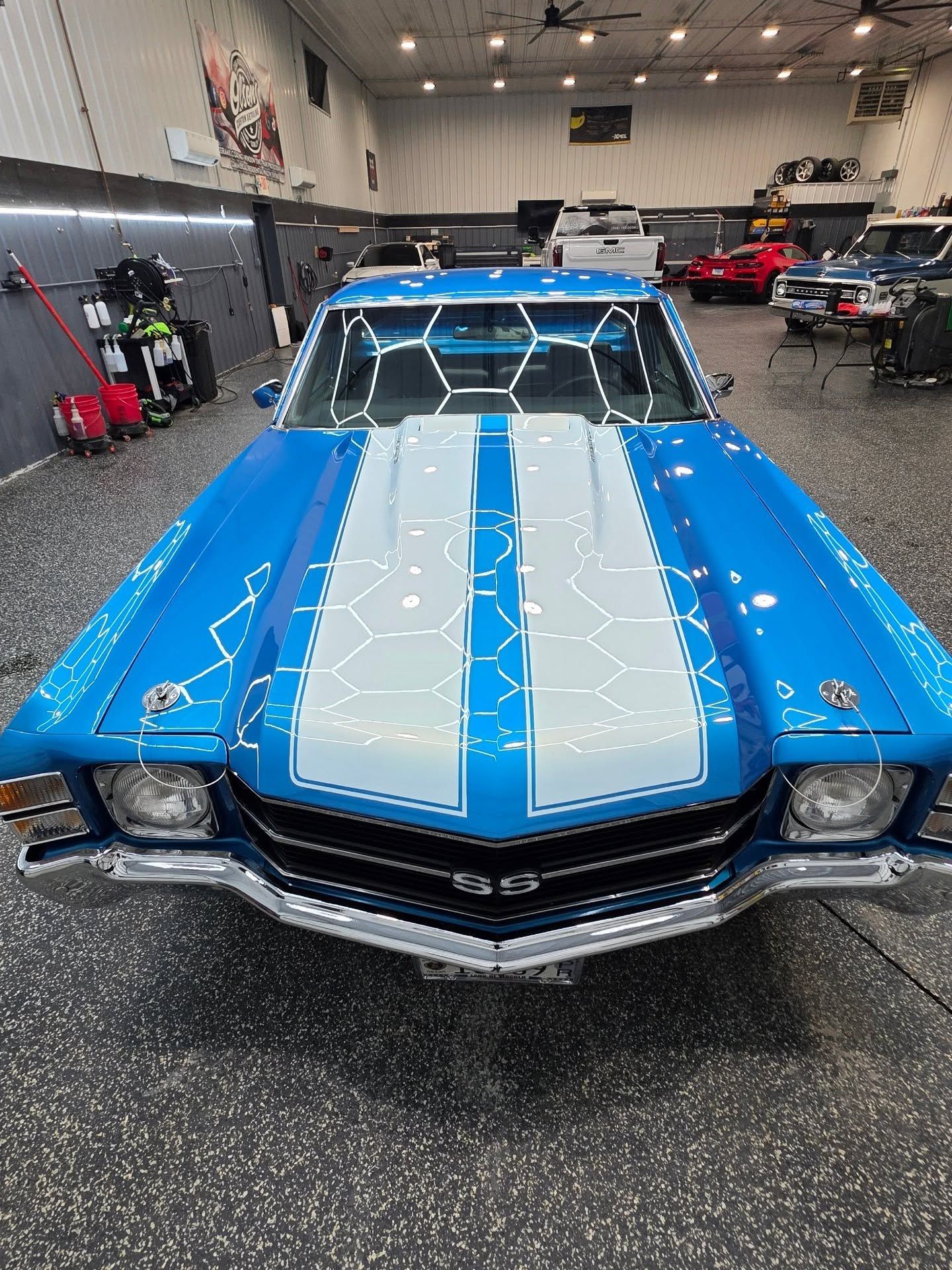
If you want to maximize both the longevity and the appearance of your film, consider having a ceramic coating applied directly over it. This is something Olson's offers as an upgrade, and it's one of the best decisions a PPF owner can make.
Here's why: PPF's topcoat is already hydrophobic to a degree, but a ceramic coating amplifies that dramatically. Water beads and sheets off the surface rather than sitting on it, which means contaminants have far less contact time with the film. The coating also adds UV protection that fights the slow yellowing process that can affect unprotected film over many years, particularly on vehicles parked outdoors in areas with intense sun exposure. And practically speaking, a ceramic-coated film is significantly easier to keep clean. Dirt and road grime struggle to bond to the surface, so your washes become faster and require less effort.
A ceramic coating over PPF is not a permanent solution, as it will need to be maintained and eventually reapplied, but as a system, the two work together far better than either does alone.
What to Avoid Completely
Some of these seem obvious, but we see the damage in our shop regularly, so they're worth stating plainly.
Chemicals to never use on PPF: Anything containing petroleum distillates, naphtha, or harsh degreasers. These break down the adhesive layer and degrade the film's topcoat. Many gas station detailers' sprays and tire shine products contain these, so always check the label before using anything near your film.
Automatic car washes with brushes: The brushes in tunnel washes accumulate grit from every car that went through before yours, and they drag that grit across your film at speed. Even a single pass can inflict micro-scratches across an entire panel. Touchless washes are safer, though the high-alkaline chemicals some facilities use can still degrade PPF over time. Hand washing at home or at a self-serve bay with your own supplies is always the better option.
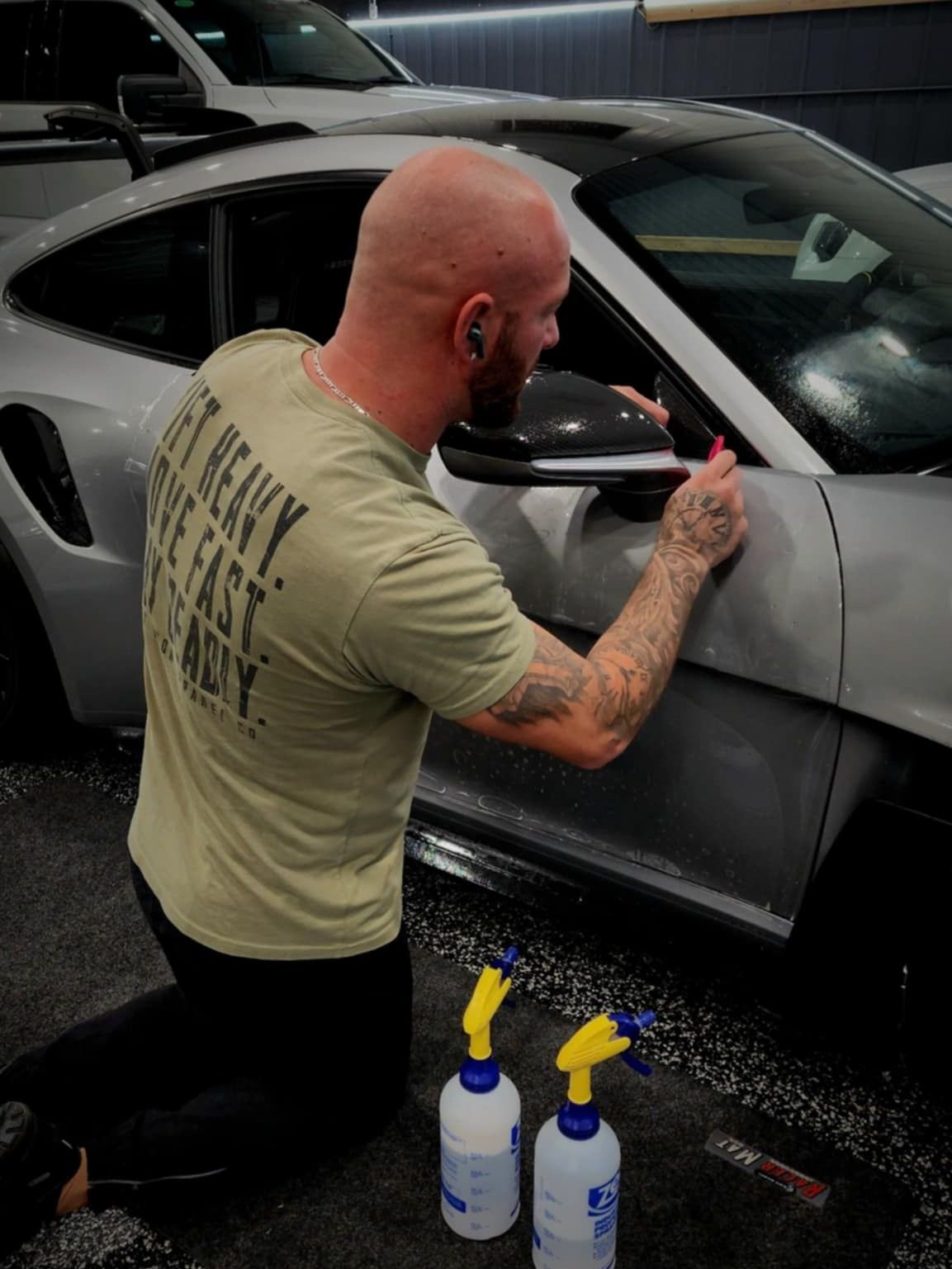
Clay bars and abrasive polishes: Don't use these yourself. Clay can catch on film edges and tear them. Abrasive polishes will cut through the self-healing topcoat. If your film needs decontamination or correction, bring it to us. There are PPF-safe processes for both, but they require the right products and trained hands.
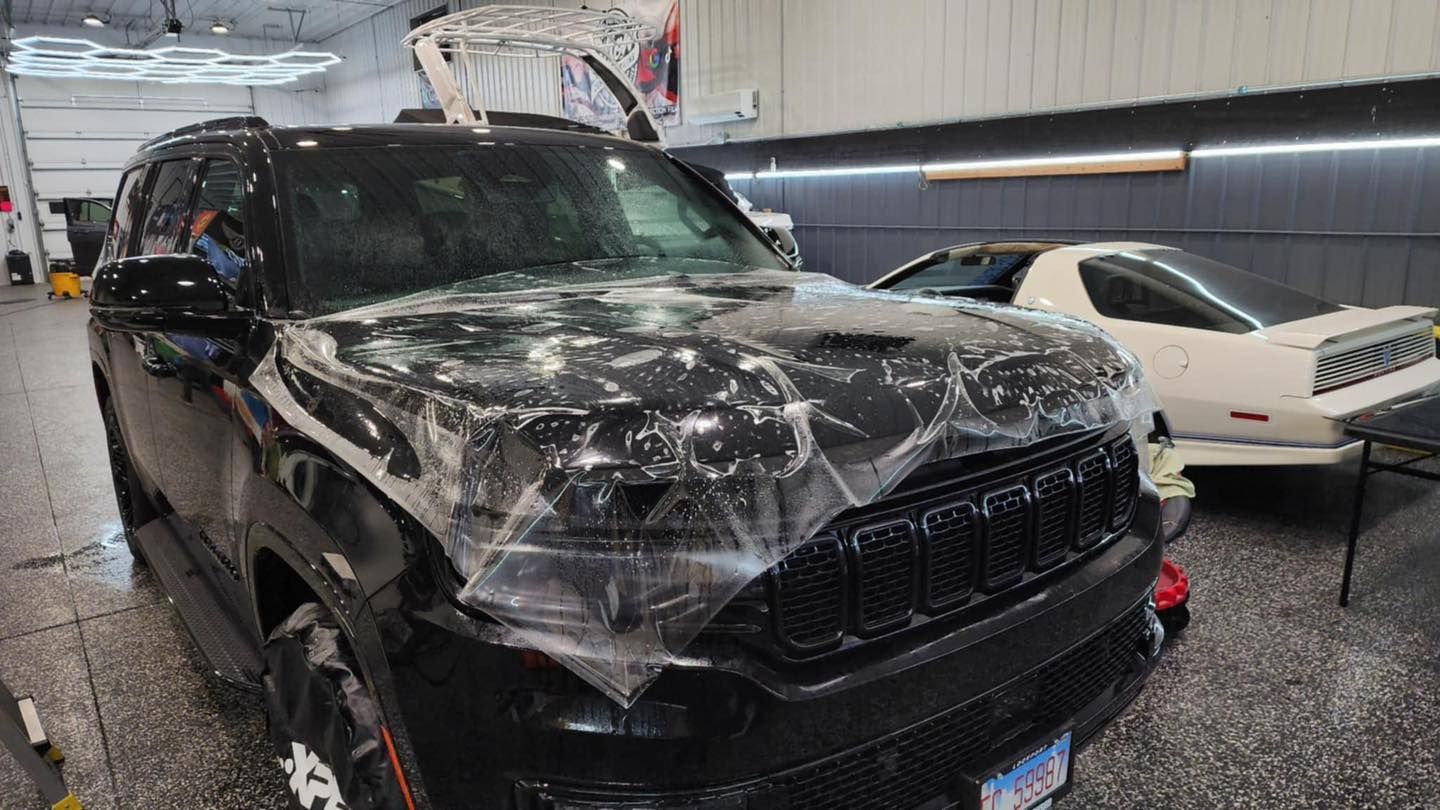
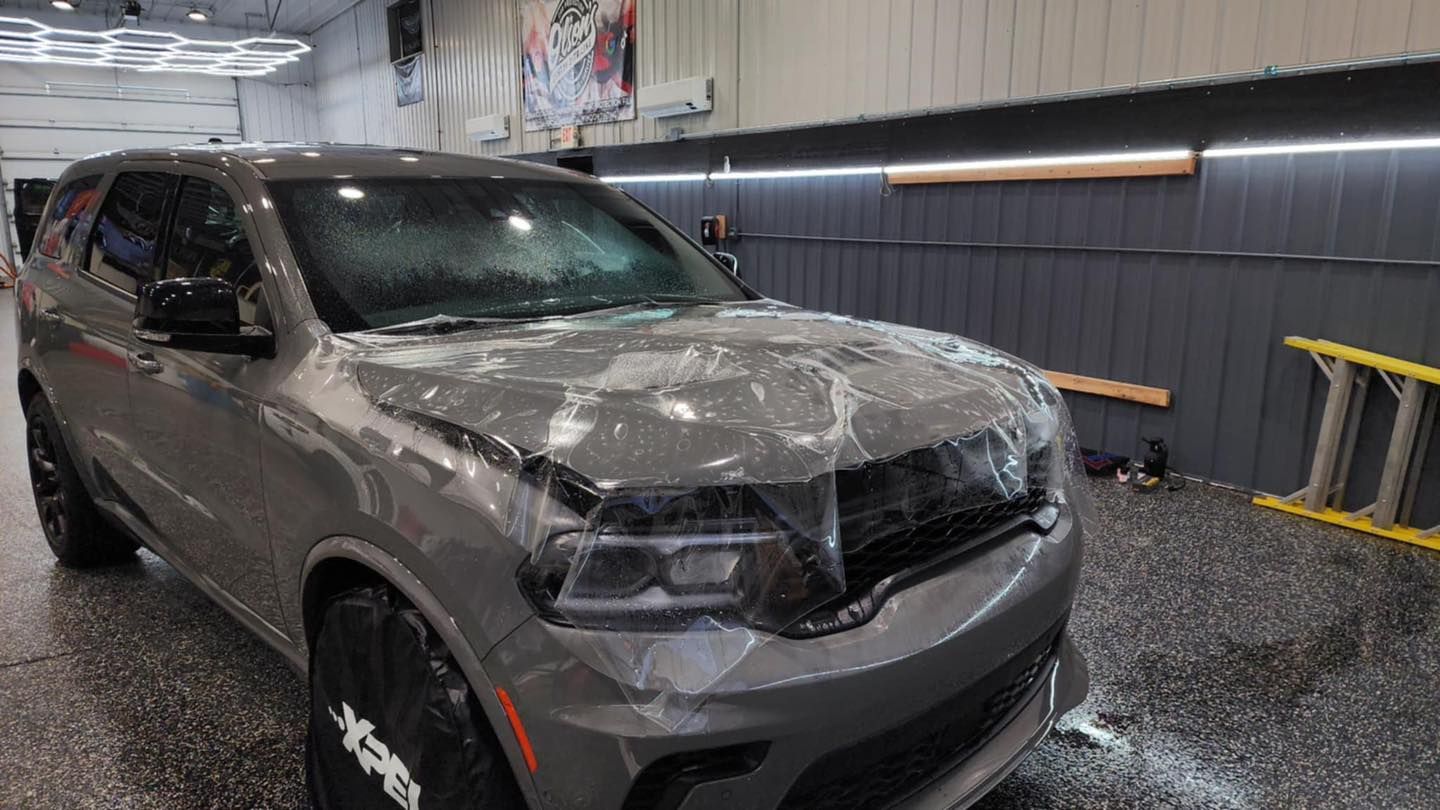
Professional Inspections: What to Expect at Olson's
Even with perfect home care, we recommend bringing your vehicle into Olson's Custom Detailing Inc. every 6 to 12 months for a professional inspection and maintenance service. Here's what we look for:
During an inspection, we check all film edges and seams for early signs of lifting, which is often something you won't notice from a normal distance but that will grow into a full peel if left unaddressed. We also perform a professional decontamination to remove bonded fallout, tree sap residue, and mineral deposits that regular washing doesn't fully eliminate. If you have a ceramic coating over the film, we assess its hydrophobic performance and advise on whether a maintenance boost or full reapplication is warranted.
Catching a lifted edge early costs very little to correct. Waiting until the film has peeled back and allowed contamination underneath the adhesive is a much larger and more expensive repair. The math on preventive maintenance is straightforward.
The Bottom Line
Paint protection film is one of the most effective ways to preserve your vehicle's finish and its resale value, but it performs exactly as well as you maintain it. The right washing technique, the right chemistry, a healthy awareness of what your local New Lenox environment throws at your car, and a professional check-up twice a year will keep your film performing like new for the full lifespan of the product.
Want to ensure your PPF lasts a decade?
Contact Olson's Custom Detailing Inc. today to schedule a maintenance wash, a professional inspection, or a ceramic coating upgrade over your existing film. We're here to protect your investment and keep it looking like the day you drove it out of our shop.