Ceramic coating is one of the best investments you can make in your vehicle's finish. It bonds to your paint at the molecular level, creating a durable, hydrophobic layer that repels water, resists environmental contaminants, and keeps your car looking cleaner between washes. But there's a misconception worth clearing up before anything else: ceramic coating is not maintenance-free.
Think of it less like a set-it-and-forget-it solution and more like a high-performance surface that rewards consistent care. Maintain it properly, and it will protect your paint for years. Neglect it, and you'll see the performance drop faster than it should. This guide walks you through everything you need to know to get the most out of your coating, from weekly wash habits to annual professional maintenance.
What Is Ceramic Coating and Why Does Maintenance Matter?
Ceramic coating is a liquid polymer that chemically bonds to your vehicle's clear coat, forming a semi-permanent protective layer over the paint surface. Once cured, it creates a hardened barrier with several key properties: hydrophobicity (water beads and sheets off the surface), UV resistance, protection against light chemical exposure, and significantly improved gloss.
The hydrophobic effect is the one most people notice first. Water and most light contaminants simply don't want to stick to a properly maintained coated surface. They bead up and roll off, taking dirt with them. That's why coated cars stay cleaner longer and are so much easier to wash.
Here's where maintenance becomes critical: the hydrophobic layer doesn't maintain itself. Bird droppings, tree sap, road salt, and industrial fallout can all degrade coating performance if they're allowed to sit on the surface. Improper washing techniques introduce swirl marks that compromise the coating's clarity. Using the wrong chemistry strips the coating's protective properties over time. A well-maintained ceramic coating can last anywhere from two to five years. One that's been neglected will underperform well before that window closes.
How Often Should You Maintain a Ceramic Coated Car?
For most drivers, washing every two weeks is the right baseline. If you're driving in heavy traffic, parking outdoors, driving through construction zones, or navigating particularly dusty or polluted environments, you may need to wash more frequently.
The goal isn't a rigid schedule. It's keeping contaminants from bonding to the surface. The longer something like bird waste or tree sap sits on the coating, the harder it becomes to remove without affecting the coating itself. Staying ahead of contamination buildup is the single most important thing you can do to extend coating life.
In addition to regular washing, annual professional decontamination and a maintenance detail should be part of your routine. This addresses the bonded contamination that normal washing doesn't fully eliminate.
Step-by-Step Ceramic Coating Maintenance Process
1. Use the Proper Washing Method
The two-bucket method is the standard for washing any ceramic-coated vehicle. One bucket holds your clean, pH-neutral shampoo solution. The other holds clean rinse water. After each panel, rinse your wash mitt in the rinse bucket before reloading it with soapy water. This prevents the grit you just removed from one panel from being dragged across the next one.
Use a quality microfiber wash mitt, not a sponge. Sponges trap grit against the paint surface. Microfiber mitts encapsulate particles and lift them away. Wash in straight, overlapping lines rather than circular motions, and work from the top of the vehicle downward so you're always moving clean soapy water toward panels you haven't reached yet.
pH-neutral shampoo is non-negotiable for ceramic-coated vehicles. Standard pH-neutral formulas clean effectively without stripping the coating's hydrophobic properties. Harsh alkaline cleaners, acidic wheel cleaners applied to painted surfaces, and especially household dish soap will degrade coating performance over repeated use.
2. Dry the Car Correctly
Never let a ceramic-coated vehicle air dry. Even if the coating's hydrophobic properties cause most water to sheet off, the remaining droplets will leave mineral deposits as they evaporate. Those deposits build up into visible water spots over time and are much harder to remove once they've bonded to the surface.
Use a clean, high-quality microfiber drying towel and pat or drag it gently across panels rather than wiping aggressively. Many detailers prefer using a filtered air blower for drying, which removes water with zero contact and eliminates any risk of towel-induced marring. If you're drying by hand, start with the glass and roof where water pools and work your way down.
3. Remove Contaminants Early
Speed matters when dealing with aggressive contaminants. Bird droppings, tree sap, and insects are all acidic and will begin etching into your coating if they're left to dry and cure onto the surface in hot sun. Keep a quick detailer spray and a clean microfiber in your car for exactly this situation.
When you spot a fresh bird dropping or sap deposit, mist it with your detail spray, let it dwell for a few seconds to soften, then gently lift and blot with the microfiber. Don't wipe. Wiping spreads the contaminant and increases the chance of scratching. The goal is to lift it off the surface cleanly.
Road salt in winter requires attention, too. Salt is corrosive and will accumulate in panel gaps, rocker panels, and lower door edges. During winter months, rinse the undercarriage and lower panels more frequently than you might think necessary.
4. Apply Maintenance Boosters
Ceramic coatings benefit from periodic application of a ceramic maintenance spray or booster product. These are spray-on products designed specifically for coated vehicles, typically applied every three to six months, that refresh the hydrophobic layer and extend the coating's active life.
You'll know it's time when water stops beading and sheeting as cleanly as it used to. That reduced hydrophobic performance is the coating's telling you it needs attention. Apply the booster to a clean, dry vehicle, working one panel at a time, and buff off with a fresh microfiber towel. Done correctly, it takes about 30 minutes and noticeably restores the coating's behavior.
Standard carnauba wax should not be applied over ceramic coating. It doesn't bond well to the ceramic layer and can actually interfere with the coating's performance. Stick to ceramic-compatible products.
5. Schedule Professional Maintenance
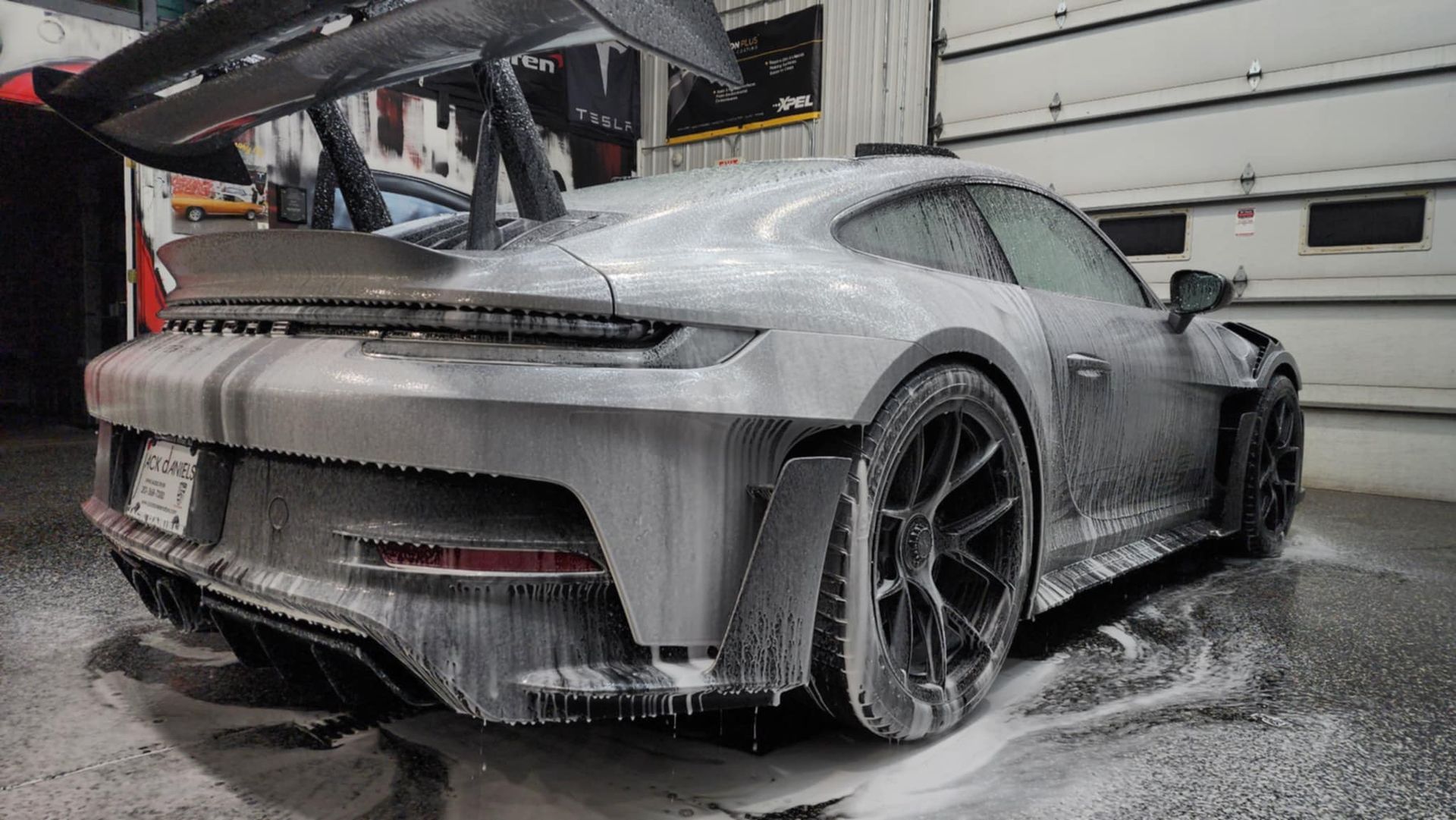
Annual professional maintenance is where you get back what routine washing can't accomplish. During a professional maintenance detail, the vehicle undergoes a thorough decontamination wash using a foam pre-soak and iron remover spray to pull bonded fallout from the coating surface. After rinsing, a pH-neutral shampoo wash removes any remaining surface contamination, and the coating is inspected for areas where performance has degraded, where the coating may have thinned, or where paint correction may be needed before the next protective treatment is applied.
This service matters because bonded contamination, including iron particles from brake dust, industrial fallout, and embedded road film, doesn't come off with a regular shampoo wash, regardless of how thorough you are. If left on the surface, it acts as an abrasive every time you touch the car. An annual professional decontamination resets the surface and gives the coating the best possible base to continue performing.

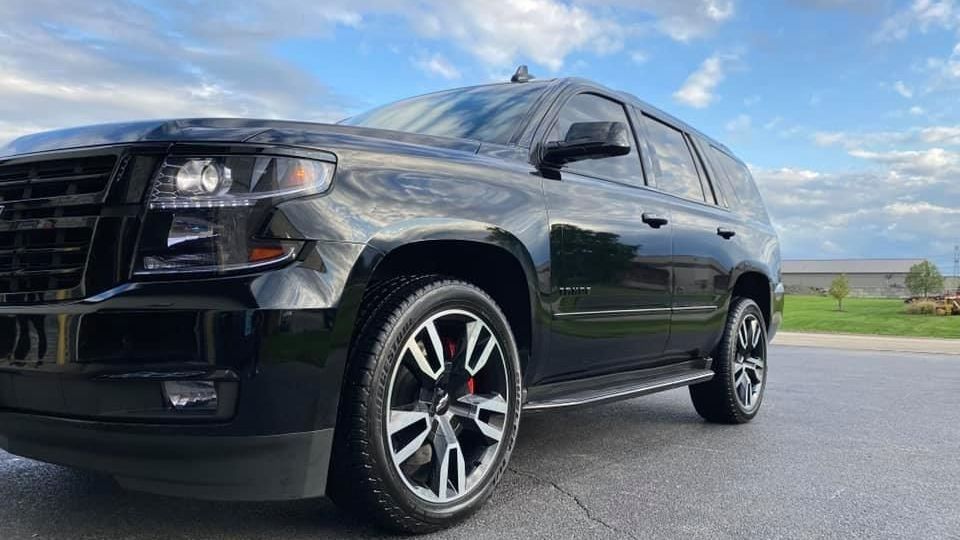
What NOT to Do with a Ceramic Coated Car
Automatic car washes with brushes. This warning is worth repeating for anyone who's heard it but still considers a tunnel wash for convenience. The brushes in brush-style automatic washes collect grit from every vehicle ahead of yours and drag it across your coating at speed. Even a single pass creates micro-scratches across multiple panels.
If you need a hands-off wash, a touchless automatic is a safer option, but be aware that many touchless facilities use high-alkaline pre-soak chemicals that can degrade coating performance over time.
Dish soap or degreasing cleaners. Products like Dawn dish soap are formulated to strip oils and residues from dishes. They're effective at that job, which is precisely why they don't belong anywhere near a ceramic-coated car. They will strip the hydrophobic layer, and over repeated use, they'll degrade the coating itself.
Circular washing motions. Any physical contact with the paint surface carries some risk of introducing fine scratches. Circular motions amplify the risk, resulting in the swirl pattern visible on dark-colored vehicles under direct light. Straight-line washing distributes any contact more evenly and reduces that pattern significantly.
Letting contaminants sit. If you see something on the coating, remove it. The longer it dwells, especially in heat, the more aggressively it bonds to the surface and the harder it becomes to remove without professional intervention.
Washing in direct sunlight. Shampoo and rinse water evaporate quickly in direct sun, leaving soap residue and water spots before you have a chance to address them properly. Wash in shade, early morning, or late afternoon whenever possible.
Signs Your Ceramic Coating Needs Maintenance
A coating in excellent health is obvious in the right conditions: water sheets off cleanly, the surface has a consistent gloss depth, and dirt doesn't seem to want to stick. When maintenance is overdue, the signs are equally clear:
Reduced or absent water beading. When water stops rolling off and starts sheeting flat across the surface instead, the hydrophobic layer has been compromised. This is the most reliable indicator that it's time for a ceramic booster application or, depending on how significant the degradation is, a professional inspection.
Dull or flat appearance. A well-maintained coating enhances gloss. When the coating is contaminated or degraded, it loses that reflective clarity, and the paint looks flatter than it should.
Dirt and grime are accumulating faster. One of the core benefits of ceramic coating is that contaminants have a harder time bonding to the treated surface. When you notice your car getting dirtier faster than usual and staying dirtier between washes, it's a sign the coating's protective layer is breaking down.
Water spots that don't come off with a normal wash. Mineral deposits that resist regular washing indicate contamination has bonded to the surface in a way that requires professional decontamination.
DIY vs. Professional Ceramic Coating Maintenance
The honest answer is that both have their place, and neither replaces the other.
Routine maintenance, including regular two-bucket washes, proper drying technique, prompt contaminant removal, and periodic ceramic booster applications, is well within reach for most vehicle owners. Building those habits is the foundation of coating longevity and doesn't require professional equipment or training.
What professional maintenance provides is depth. Bonded contamination removal, paint correction if the surface has been marred, coating inspection, and reapplication of a fresh protective layer are all services that require professional-grade chemistry, equipment, and experience. A vehicle owner who does everything right at home and still brings their car in for an annual professional detail will see significantly better coating performance and longevity over time than one who tries to skip that step.
Consistent DIY upkeep combined with scheduled professional maintenance is how coatings last closer to the high end of their lifespan rather than the low end.
How Long Does Ceramic Coating Last with Proper Care?
With consistent maintenance, a quality ceramic coating typically lasts between two and five years. Where your results land within that range depends on several variables: how often the vehicle is exposed to harsh environmental conditions, how consistently you maintain the washing routine, whether you use compatible chemistry, and whether you're keeping up with annual professional decontamination.
Vehicles that are parked outdoors year-round, driven in high-pollution areas, or frequently exposed to road salt will generally see shorter lifespans than vehicles kept in a garage and driven in cleaner conditions. That's not a flaw in the product. It's the coating doing its job under demanding conditions. Consistent maintenance extends performance regardless of the environment.
Why Choose Olson's Custom Detailing Inc.?
At Olson's Custom Detailing Inc., ceramic coating care is something we've invested in deeply, from the products we use to the inspection process we follow when a coated vehicle comes in for service. We understand what it takes to preserve a coating properly because we're the ones who install them, and we see the full range of outcomes when maintenance is handled well versus when it isn't.
When you bring your vehicle to us for maintenance, we don't just run it through a generic wash process. We assess the coating's current condition, perform a proper decontamination, evaluate whether paint correction is needed, and apply the appropriate protective treatment based on what the surface actually needs. Our goal is to return your vehicle looking and performing as closely as possible to its condition on installation day.
Whether you're looking to establish a professional maintenance routine for a recently coated vehicle or your coating is due for a decontamination and refresh, we're here to help you protect that investment.
Ready to schedule your ceramic coating maintenance service? Contact Olson's Custom Detailing Inc. today to book your appointment.
Frequently Asked Questions
How often should you wash a ceramic-coated car?
Every two weeks is the general recommendation for most drivers. If you park outdoors, commute in heavy traffic, or live in an area with significant environmental fallout, more frequent washing may be appropriate.
Can you use wax on a ceramic coating?
Standard carnauba wax is not recommended for ceramic-coated vehicles. It doesn't bond well to the coating and can interfere with performance. Use a ceramic-compatible maintenance spray or booster product instead.
What ruins ceramic coating?
The most common culprits are harsh or alkaline chemical cleaners, abrasive washing tools and techniques, automatic car washes with brushes, and allowing contaminants like bird droppings or tree sap to dwell on the surface.
Is ceramic coating maintenance expensive?
Routine home maintenance, including proper shampoo, a quality wash mitt, microfiber towels, and a ceramic booster spray, is a modest ongoing cost. Professional annual maintenance represents a more significant investment but extends coating life and performance considerably.
Can I go through a car wash with ceramic coating?
Brush-style automatic washes should be avoided entirely. If a touchless wash is your only option in a given situation, it's far safer than a brush wash, but be aware that the chemicals used in many commercial touchless facilities can degrade coating performance over repeated exposure. Hand washing with the two-bucket method remains the best approach.