You just drove a new car off the lot. The paint is flawless, the clear coat is untouched, and the last thing you want is a rock chip on your first highway run. That is precisely the moment most owners start asking whether paint protection film is worth it.
For the right vehicle, owner, and budget,
PPF is one of the smartest investments you can make on a new car. But it is not the right call for every situation, and understanding the tradeoffs will help you make a decision that actually fits your goals. At Olson's Custom Detailing Inc., we walk through that decision with every client before recommending a package.
What Is Paint Protection Film?
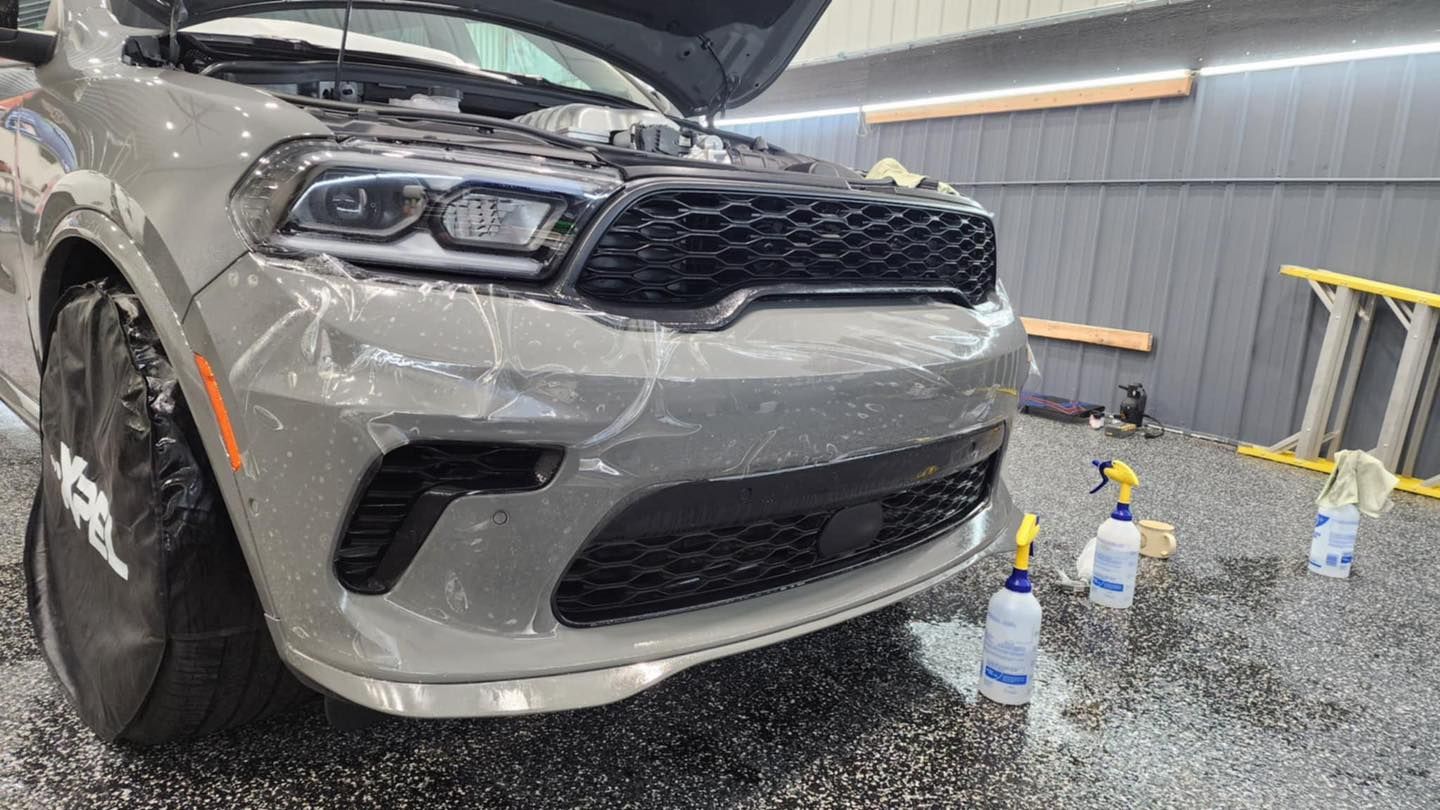
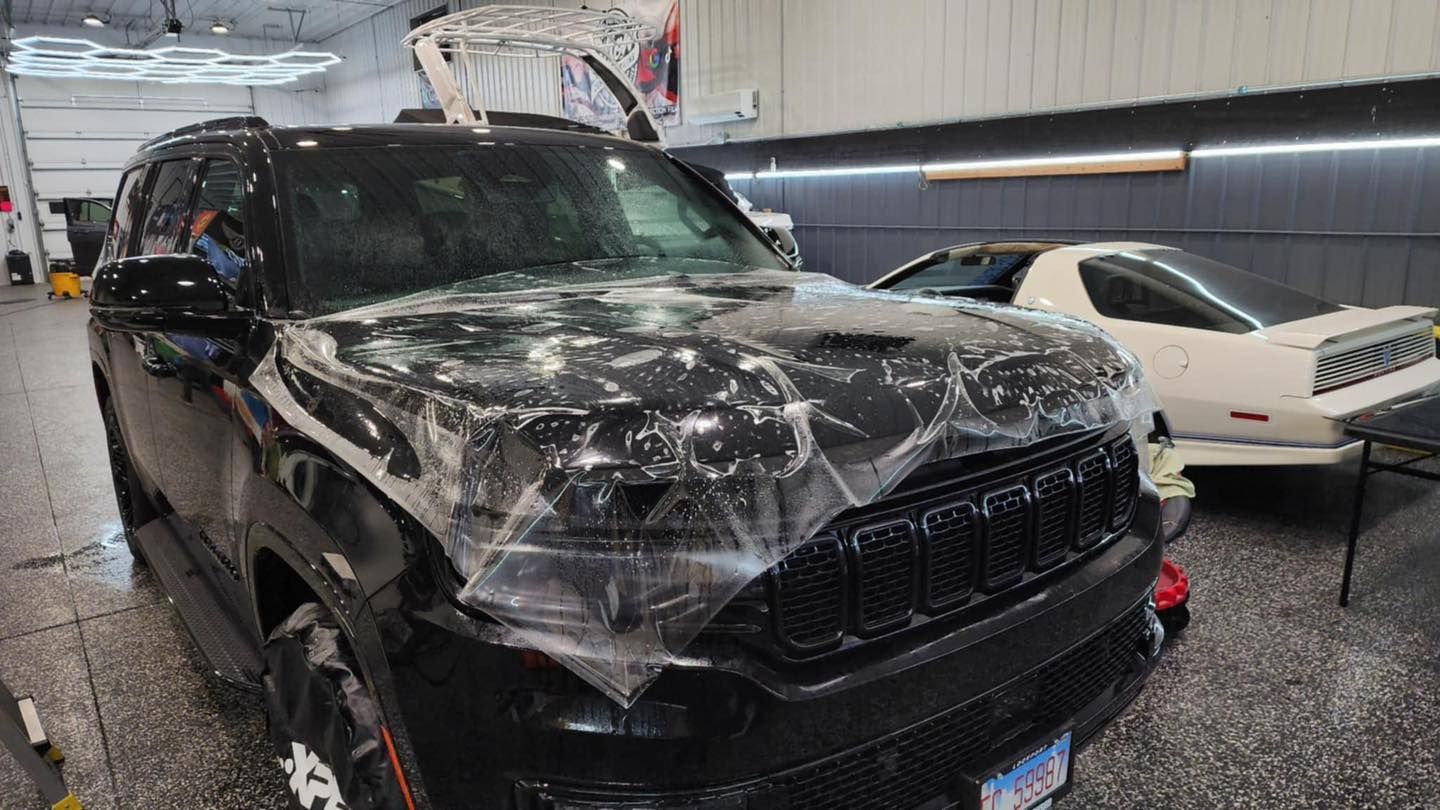
Paint protection film, commonly called PPF or a clear bra, is a transparent urethane-based film applied directly to painted surfaces. It creates a durable physical barrier between your factory paint and the road hazards that cause damage over time.
Unlike wax or ceramic coating, PPF has actual thickness to it. That thickness is what allows it to absorb impacts from road debris, rock chips, and scratches before they ever reach your clear coat or base coat. Premium films also carry self-healing properties, meaning minor surface marring can fade on its own when exposed to heat or sunlight.
Why So Many New Car Owners Choose PPF
New car paint is at its best the day it leaves the factory. The factory clear coat is clean, consistent, and has never been exposed to road contamination. That is also when it is most vulnerable, because it has not yet been treated with any protective layer.
PPF addresses that vulnerability directly. Owners who install film early avoid the slow accumulation of chips, swirl marks, bug splatter staining, and UV-related fade that affect unprotected vehicles over the years of daily driving. Beyond appearance, preserved paint tends to support stronger resale and trade-in value when the time comes to sell or trade the vehicle.
When Paint Protection Film Is a Good Idea
PPF makes the most sense in these situations:
You drive a luxury vehicle, a sports car, or a collectible. High-value vehicles benefit most from PPF because the cost of installation represents a smaller percentage of overall vehicle value, and the paint condition carries real weight at resale.
You are a highway commuter or a frequent long-distance driver. Highway speeds dramatically increase the frequency and force of rock chip impacts. Front-end coverage, at minimum, is worth serious consideration if your daily route puts you on the highway regularly.
Your vehicle is a dark color. Dark paint shows rock chips, scratches, and swirl marks far more visibly than lighter colors. PPF helps dark-colored vehicles maintain that deep, clean appearance longer.
You plan to keep the car long-term. The longer you intend to own the vehicle, the more return you get from a 5-to-10-year film. Protecting factory paint from year one means you are not trying to correct years of damage later.
You want to preserve paint quality for resale. Buyers and dealers notice exterior condition. A vehicle with well-maintained, chip-free paint typically commands more attention and stronger offers.
When PPF May Not Be Worth It
PPF is not automatically the right answer for every new car owner. There are situations where the investment may not pencil out:
Lower-value vehicles. When the cost of full-body PPF approaches a significant percentage of the vehicle's total value, the math becomes harder to justify.
Short ownership cycles. If you typically trade vehicles every two or three years, you may not have enough time to realize the full return on a premium full-body installation. Partial front-end coverage could be a better fit in that case.
Tight budgets. PPF is not inexpensive, and cutting corners on installation or film quality to save money can create its own problems. If the budget does not support a quality installation, it may be worth waiting or choosing a more focused partial package.
Owners are comfortable with minor wear. Some drivers are indifferent to the gradual signs of road use. If that describes you, a maintenance detail program and ceramic coating may serve your needs at a lower cost.
Best Areas to Protect on a New Car
If full-body coverage is outside your budget, prioritizing high-impact areas gives you the best protection-per-dollar outcome. The zones that take the most damage on almost every vehicle are:
- Front bumper: The largest target for road debris at highway speeds
- Hood: Catches rock chips and bug splatter constantly on the front-heavy impact
- Fenders: Exposed to debris kicked up at the wheel wells
- Side mirrors: Small, exposed surfaces that collect chips and scratches in traffic
- Headlights: Unprotected headlights yellow and haze over time; PPF keeps them clear
These five areas represent the front-end package most owners start with, and for good reason. They are the zones that show wear earliest and most visibly.
Front-End PPF vs Full-Body PPF
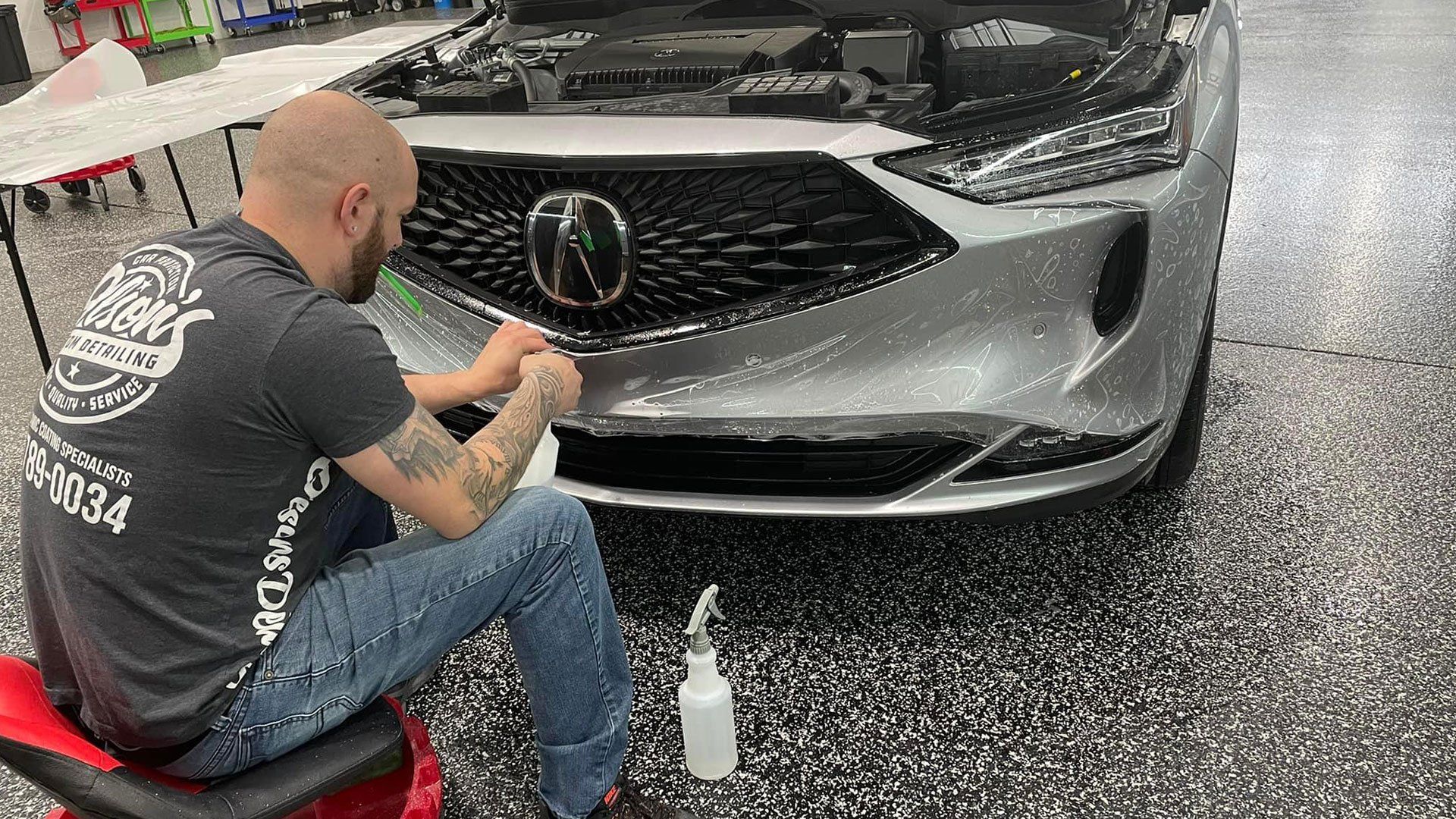
Front-end coverage makes sense for owners who want meaningful protection at a more accessible price point. It covers the highest-impact zones without the cost of wrapping the entire vehicle. For daily drivers on tight budgets, this is usually the right starting point.
Full-body PPF is the right call when paint preservation across the entire vehicle matters. That includes luxury vehicles, collectibles, vehicles in long-term storage or show rotation, and owners who simply want every painted surface protected from day one. Full-body coverage also delivers a more uniform appearance, since there are no protected and unprotected zones to compare.
The conversation about which option is right comes down to your vehicle, how you drive it, and how long you plan to keep it. We help clients work through that at Olson's before any film goes on the car.
Does PPF Damage New Car Paint?
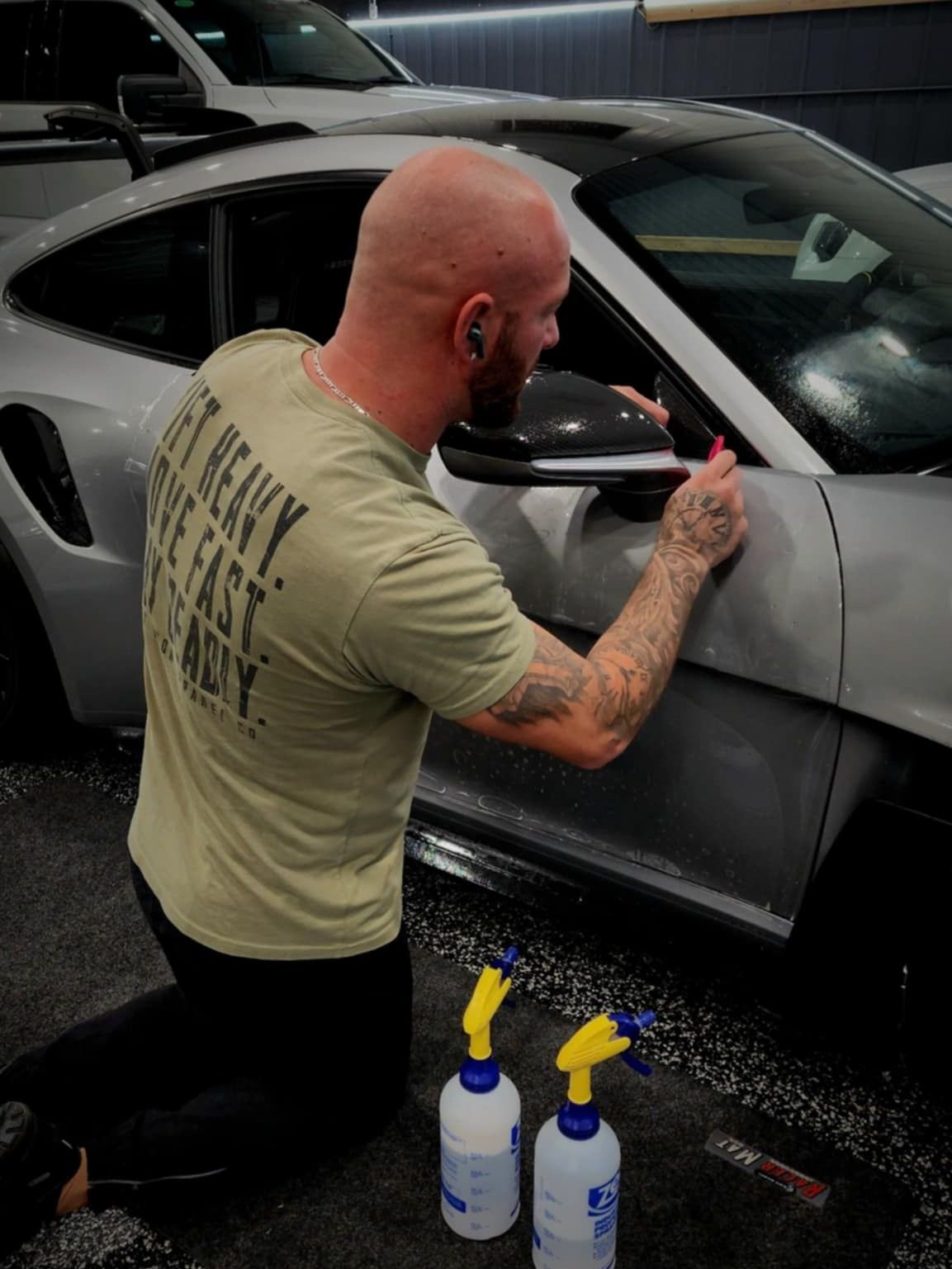
This is one of the most common questions we hear, and the answer is no. When high-quality film is professionally installed and removed correctly, PPF is safe for factory paint. It is designed to bond to the clear coat without compromising it, and premium films can be removed cleanly without leaving adhesive residue or pulling paint.
The risk comes from two sources: low-quality films and improper installation or removal. Cheap film with poor adhesive can cause problems at the edges, and DIY removal of any film without proper technique can stress the paint. Using a reputable installer and a premium film brand eliminates both risks.
How Long Does Paint Protection Film Last?
Quality PPF typically lasts somewhere in the range of 5 to 10 years, and some premium films perform beyond that under the right conditions. Longevity depends on several factors: the quality of the film itself, the quality of the installation, how the vehicle is maintained, and how much sun and road exposure the film sees over time.
Keeping PPF clean, avoiding harsh chemicals, and scheduling periodic maintenance detailing all help extend the film's useful life.
PPF vs Ceramic Coating for a New Car
These two products protect paint in fundamentally different ways, and many owners benefit from using both.
PPF provides physical impact resistance. It absorbs chips, scratches, and road debris. Ceramic coating does not offer this kind of physical barrier.
Ceramic coating enhances gloss, repels water and contaminants, makes the vehicle easier to wash, and adds chemical resistance to the surface. It is an excellent product, but it cannot stop a rock chip.
Many owners apply ceramic coating over PPF to get the benefits of both: the physical protection of the film and the hydrophobic, high-gloss surface finish of the coating. We frequently recommend this combination for luxury and sports vehicles.
The Real Pros and Cons of PPF
Pros
- Absorbs rock chips, scratches, and road debris before they reach factory paint
- A self-healing surface on premium films handles light marring on its own
- Protects against UV rays, bird droppings, tree sap, bug splatter, and chemical contaminants
- Helps preserve exterior appearance and resale value over the years of ownership
Cons
- Higher upfront cost compared to wax or ceramic coating alone
- Requires skilled installation to avoid bubbles, wrinkles, and edge lifting
- Lower-quality films can yellow or discolor over time
- Damaged sections of film typically need replacement rather than repair
Is PPF Right for Your New Car?
Run through these questions before making your decision:
- Is your vehicle a luxury model, sports car, or something you plan to keep for many years?
- Do you drive on the highway regularly where rock chip exposure is high?
- Does your vehicle have a dark or visually demanding color that shows damage easily?
- Is preserving resale or trade-in value a priority for you?
- Is your budget in a range where quality installation is realistic?
If you answered yes to most of those, PPF is likely a strong fit. If your answers are mixed, consider a partial front-end package for meaningful protection at a more suitable price.
Get PPF Advice Tailored to Your Vehicle From Olson's Custom Detailing Inc
At Olson's Custom Detailing Inc, we do not offer one-size-fits-all recommendations. We examine your specific vehicle, inquire about your driving habits, and assist you in determining whether front-end coverage, full-body PPF, a ceramic coating combination, or another option is the best choice.
If you just bought a new car and want to protect the paint from day one, reach out to us today. We will walk through your options and put together a protection plan that fits your vehicle and your goals.
Frequently Asked Questions About Paint Protection Film on a New Car
Q: Is paint protection film worth it on a brand-new car?
For most new car owners who want to preserve factory paint, PPF is worth the investment. A new car is at its most pristine the day it leaves the lot, which makes it the ideal time to apply film before any chips, scratches, or road damage occur. The value is strongest for luxury vehicles, dark-colored cars, highway commuters, and anyone planning to keep the vehicle long term. For lower-value cars or short ownership cycles, a partial front-end package may offer a better balance of protection and cost.
Q: Does paint protection film damage factory paint?
No, not when a quality film is professionally installed and removed. Premium PPF is designed to bond safely to your clear coat without compromising it, and it can be removed cleanly without leaving adhesive residue or pulling paint. The risk of damage comes from low-quality films and improper installation or removal, which is why choosing a reputable installer and a trusted film brand matters.
Q: How long does PPF last on a new car?
Most quality paint protection films last between 5 and 10 years, with some premium options performing well beyond that range under ideal conditions. Lifespan depends on the quality of the film, the quality of the installation, how the vehicle is maintained, and the level of sun and road exposure it sees over time. Regular washing and avoiding harsh chemicals help extend the film's life.
Q: Should I get full-body PPF or just front-end coverage?
It depends on your vehicle, budget, and ownership goals. Front-end coverage protects the highest-impact zones, including the bumper, hood, fenders, mirrors, and headlights, and is a strong choice for daily drivers working with a tighter budget. Full-body PPF makes more sense for luxury vehicles, collectibles, and owners who want complete paint preservation from every angle. At Olson's Custom Detailing Inc, we help clients weigh both options before making a recommendation.
Q: Is PPF better than ceramic coating for a new car?
They serve different purposes, so comparing them directly is not quite the right frame. PPF provides a physical barrier that absorbs rock chips, scratches, and road debris before they reach your paint. Ceramic coating enhances gloss, repels water and contaminants, and makes the vehicle easier to maintain, but it cannot stop a chip. Many owners get the most out of both by applying ceramic coating over PPF, combining impact protection with a hydrophobic, high-gloss finish. We frequently recommend this combination for new luxury and sports vehicles.