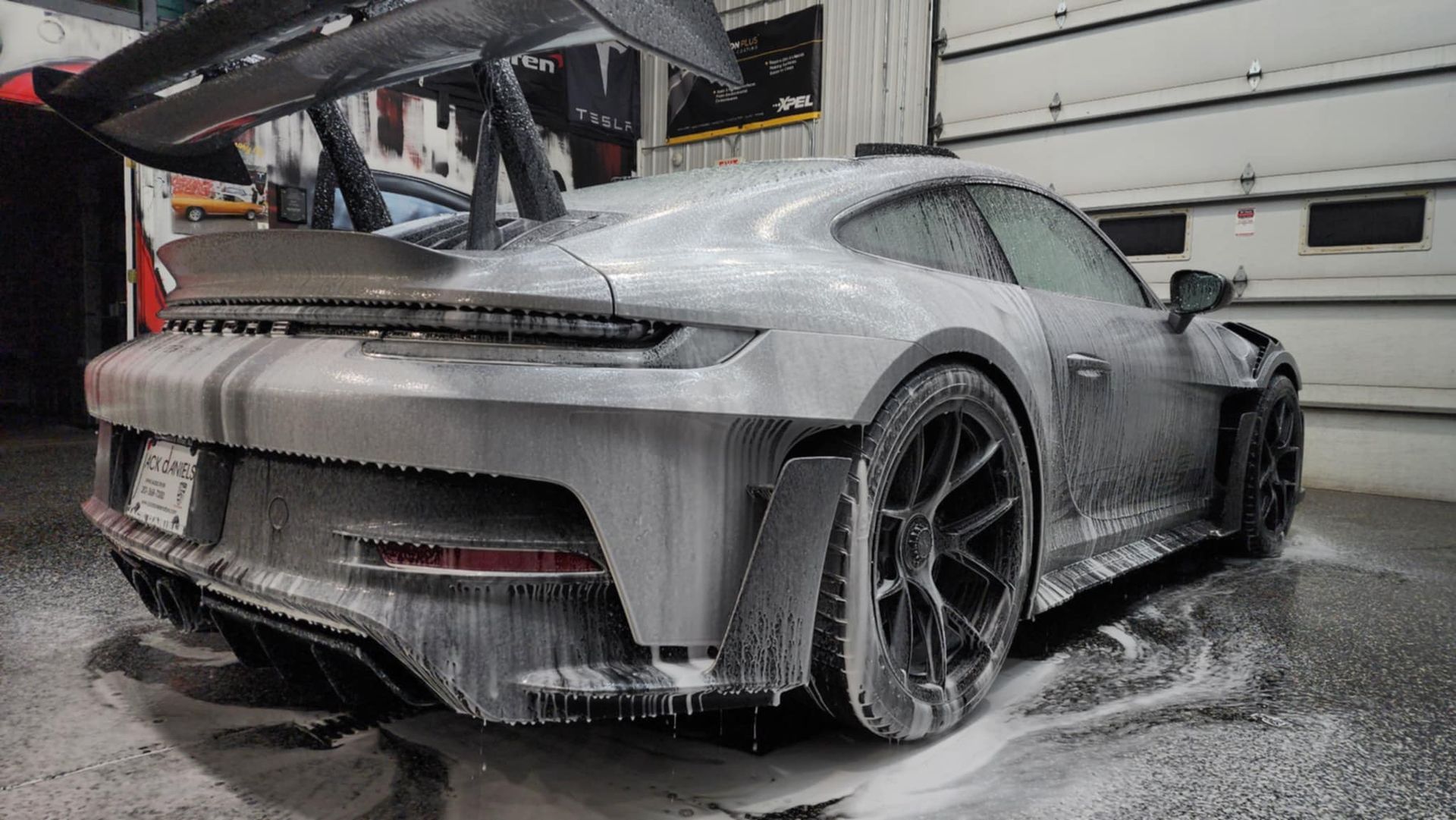
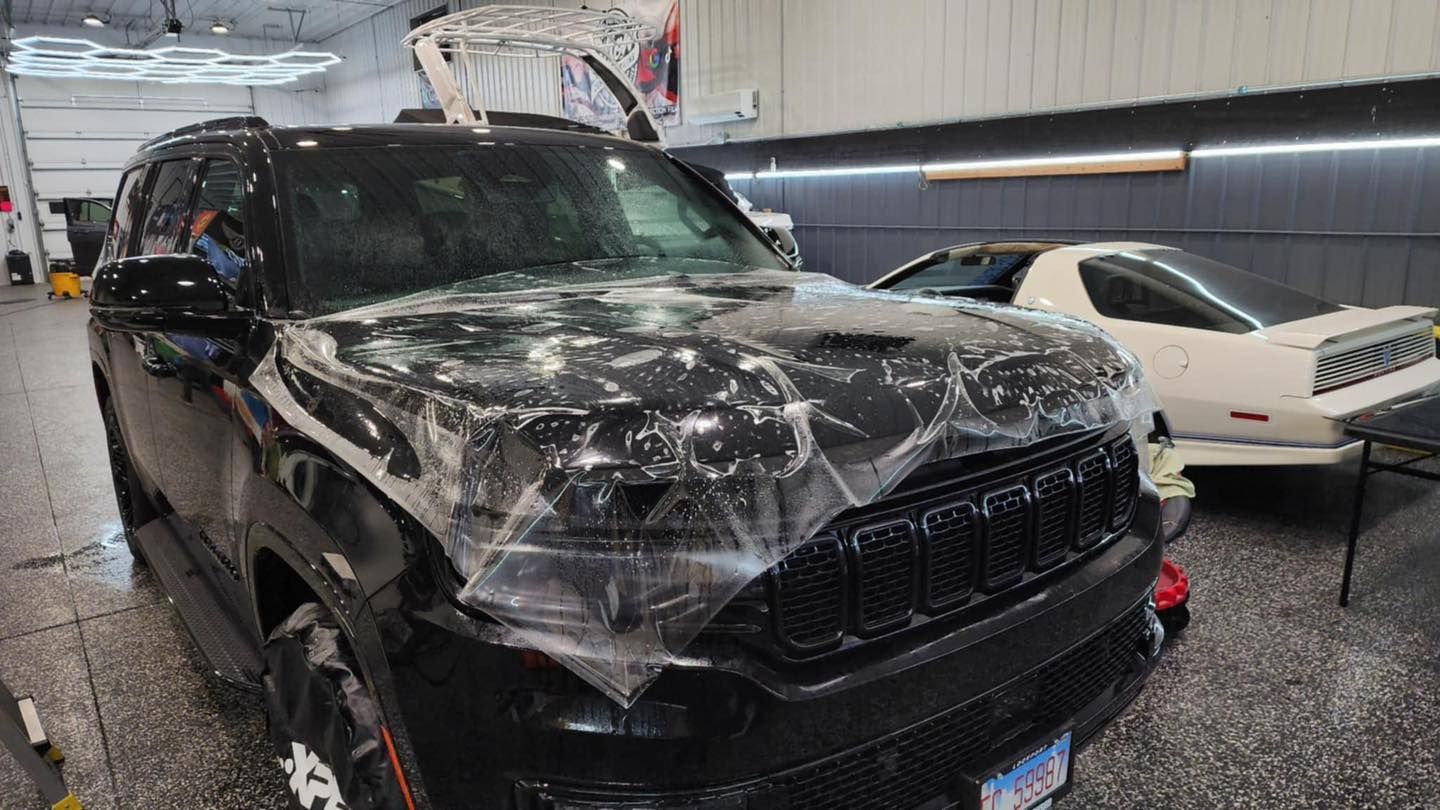
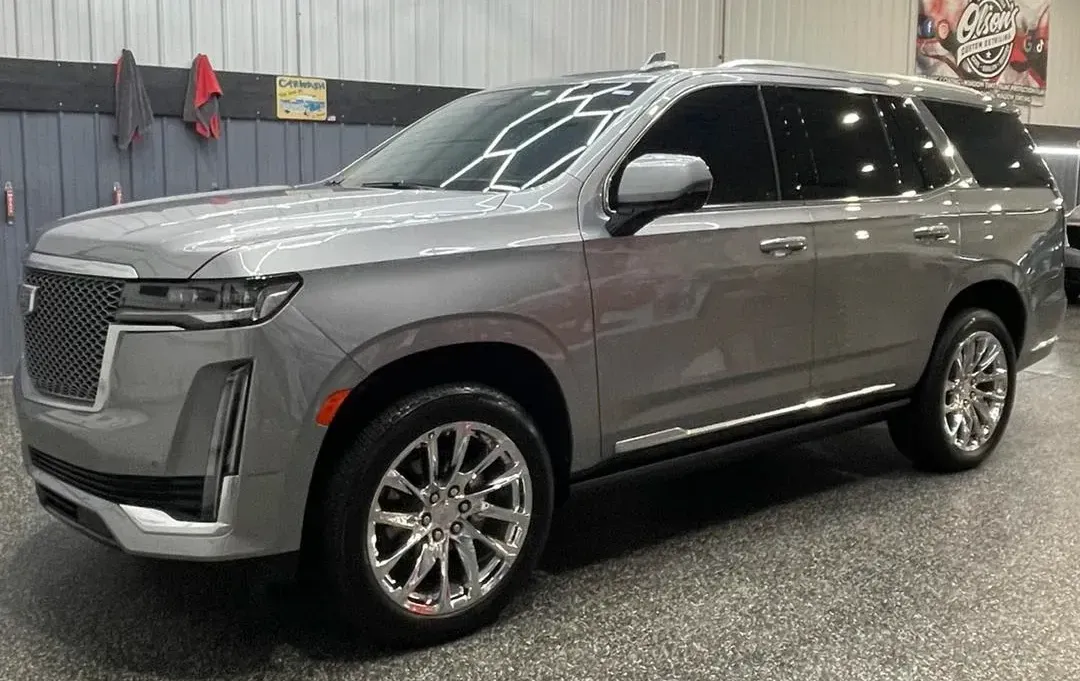
At Olson's Custom Detailing Inc, one of the most common questions we get from customers after a ceramic coating install is: "So how often do I actually need to wash it now?" It is a fair question. Ceramic coatings make your car easier to clean, and water beading off a freshly coated vehicle is genuinely satisfying, but that does not mean you can skip washing altogether.
The short answer: for most daily-driven vehicles, washing every two weeks is the standard recommendation. That schedule keeps surface contaminants from building up and degrading your coating's hydrophobic performance over time. For some drivers, the right interval is shorter. For others, it can stretch a little longer. The section below breaks down exactly what drives that decision.
The Short Answer: How Often Should You Wash a Ceramic Coated Car?
Wash your ceramic coated car every two weeks. That is the baseline recommendation we give to our customers in New Lenox and across the southwest Chicago suburbs, and it is consistent with what professional detailers throughout the industry recommend.
Here is a quick-reference guide based on your situation:
| Vehicle Use / Situation | Recommended Wash Frequency |
|---|---|
| Daily driver, typical commute | Every 2 weeks |
| Garage-kept or infrequently driven | Once a month |
| Outdoor parking, tree coverage, bird activity | Every 1 to 2 weeks |
| Illinois winter (road salt exposure) | Within 1 to 2 days after heavy salting |
| Spring pollen season | Every 7 to 10 days |
| Near construction, industrial areas | Weekly |
The reason frequency matters comes down to how ceramic coatings work. The coating creates a hydrophobic nano-layer over your clear coat that repels water, dirt, and environmental contaminants. When those contaminants are allowed to sit on the surface for extended periods, they can begin to clog the coating, reduce water beading, and in cases like bird droppings or tree sap, they can etch into it. Regular washing is not just about looks. It is about preserving the protection you paid for.
Factors That Affect How Often You Should Wash
Two weeks is a guideline, not a law. Your actual washing schedule should be shaped by the conditions your vehicle faces every day.
Climate and Seasonal Conditions
If you drive in Illinois, you already know that our seasons ask a lot of your vehicle's finish. Winter road salt is one of the most corrosive contaminants a ceramic coating will face. Salt does not just sit on the surface. It can work into panel seams and undercarriage areas quickly. When the plows are out and the roads are heavily treated, washing within a day or two of significant exposure is the right move, not waiting until your next scheduled two-week wash.
Spring brings its own challenge. Tree pollen in the Chicago metro area can coat an entire vehicle in a fine, sticky layer within 24 to 48 hours of settling. Left on the coating for too long, pollen can become difficult to rinse off cleanly and may require more agitation than a normal maintenance wash. During peak pollen weeks, bumping your schedule to every seven to ten days makes a real difference.
Summer humidity, UV exposure, and the occasional thunderstorm that leaves mineral-heavy water spots also factor in. If your vehicle sits outside regularly in summer, plan to wash at least every two weeks without exception.
How Much You Drive
The more miles you put on your vehicle, the more brake dust, road grime, diesel exhaust residue, and highway debris accumulates on the paint. A daily highway commuter picks up significantly more surface contamination than a weekend-only driver covering local roads. If you are putting 20,000-plus miles a year on a vehicle that has been coated, stick to the two-week schedule without fail. Lighter drivers can reasonably push to three weeks between washes, provided nothing visible has built up.
Where You Park
This one has an outsized effect on how quickly your coating gets dirty.
Garage-kept vehicles stay considerably cleaner between washes. If your coated car lives in an enclosed garage overnight, you are protected from dew, bird droppings, tree sap, and most airborne contamination during those hours. Monthly washing can be reasonable for vehicles that are primarily garaged and not driven daily.
Outdoor parking is a different story. Exposure to bird droppings alone is worth paying attention to. Bird waste is highly acidic and can etch a ceramic coating if left on the surface for more than a day or two in warm weather. Parking under trees introduces tree sap and pollen. Parking near construction zones or manufacturing facilities means your vehicle is likely collecting fine dust and particulate matter that is invisible until the sun hits the panel at the right angle. In those situations, weekly washing is a reasonable investment in your coating's longevity.
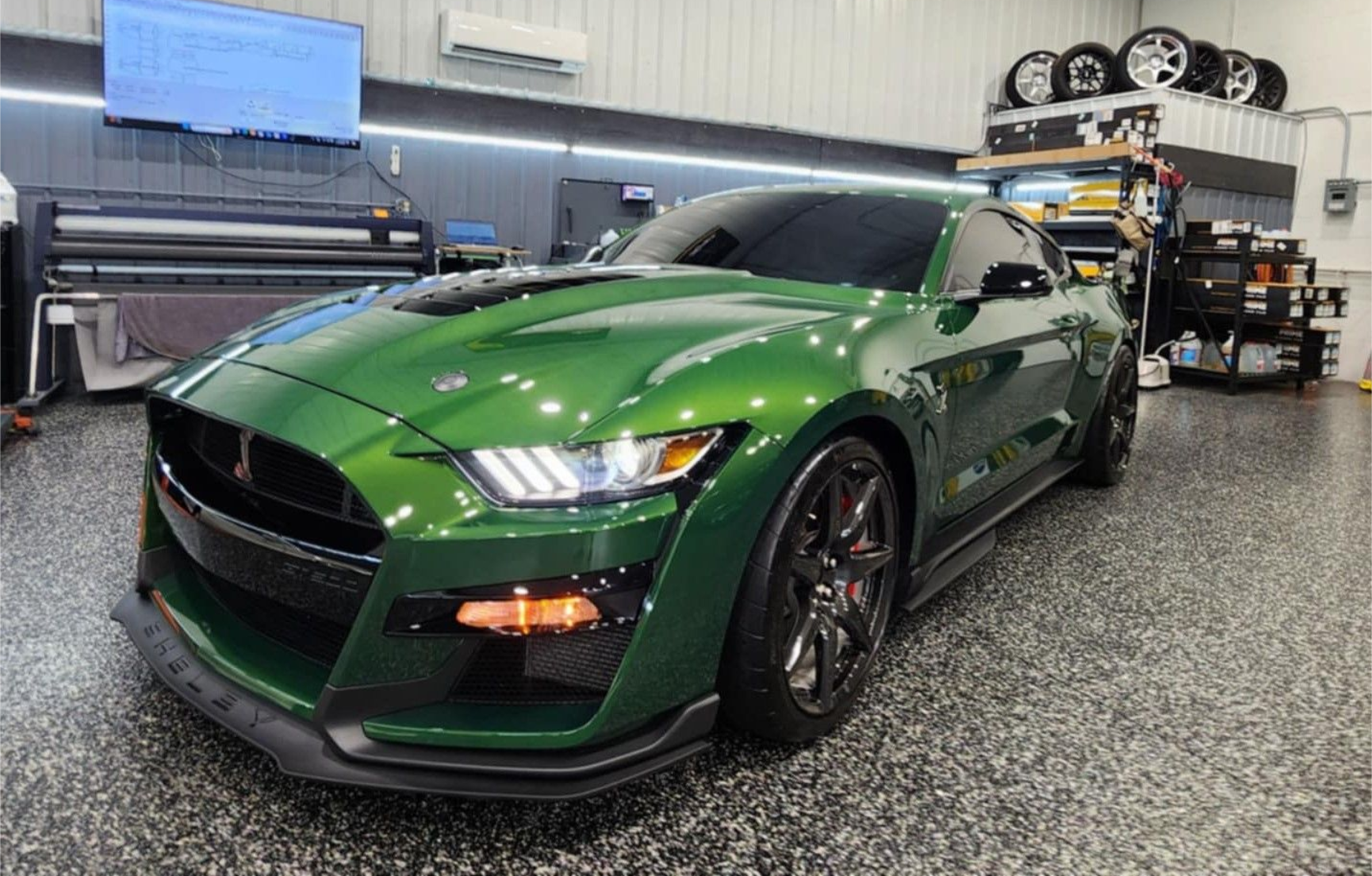
How to Wash a Ceramic Coated Car the Right Way
Washing frequency matters, but technique matters just as much. A careless wash can introduce swirl marks and micro-scratches that are visible in direct light and diminish the appearance of your coating. Here is how we recommend our customers approach each wash.
Use a pH-Neutral, Ceramic-Safe Car Shampoo
Not all car soaps are created equal for coated vehicles. You want a pH-neutral, wax-free car shampoo formulated specifically for ceramic-coated surfaces. The "wax-free" part is important: many general car shampoos contain wax additives designed to leave a film on bare paint. On a ceramic coating, that film sits on top of the hydrophobic layer and can interfere with water beading over time. A ceramic-safe shampoo cleans effectively without leaving residue or compromising the nano-bond between your coating and clear coat.
Avoid dish soap entirely. Its degreasing agents will strip hydrophobic properties and accelerate coating degradation faster than almost anything else you could put on a coated vehicle.
Pre-Rinse the Vehicle Before Touching It
Before you pick up a wash mitt, rinse the entire vehicle thoroughly with a hose or pressure washer. This step knocks loose dirt, dust, and debris off the surface before any physical contact happens. Skipping the pre-rinse and going straight to washing is one of the most common ways swirl marks get introduced, as you are essentially dragging abrasive particles across the clear coat with your mitt.
A good pre-rinse takes two minutes and can prevent the kind of surface marring that requires paint correction to fix.
Wash Using the Two-Bucket Method
The two-bucket method is the proper technique for washing any coated vehicle by hand, and it is how our team approaches every professional wash.
Set up one bucket with your pH-neutral soap solution and a second bucket filled with clean water. Your wash mitt goes into the soapy bucket first. After washing each panel or section, rinse your mitt thoroughly in the clean water bucket before going back into the soap. This prevents the dirt and grit you just removed from the car from being reintroduced to the surface on the next pass.
Work from the top of the vehicle down. Your roof, hood, and trunk get the cleanest water and the freshest mitt contact. Save the rocker panels and lower door edges for last, since those areas collect the most road debris.
Wash in the Shade or Indoors
Direct sunlight is your enemy during a hand wash. Heat causes water and soap to evaporate faster than you can rinse, leaving behind water spots and soap residue that can be difficult to remove cleanly. Early morning, late afternoon, or a shaded driveway are all better options. If you have a garage with enough room to work, that is ideal.
This is especially relevant in Illinois summers when heat and humidity can cause soap to flash on the surface in under a minute on a sunny panel.
Dry Immediately With a Microfiber Towel or Air Blower
Never let a ceramic coated vehicle air dry. Even filtered or softened water contains dissolved minerals that leave spots when the water evaporates. On a glossy coated surface, water spots are highly visible and, if left in heat, can become difficult to remove without a decontamination wash.
Use a clean, high-quality microfiber drying towel and work panel by panel. A dedicated car blower is an excellent investment for drying tight areas like side mirrors, door handles, badges, and hood vents where water tends to pool and re-run onto dry panels.
Avoid Automatic Car Washes
Brush-based automatic car washes are not compatible with ceramic coatings. The spinning and oscillating brushes used in tunnel washes create micro-scratches and swirl marks that accumulate with every pass, dulling the coating's gloss and reducing its ability to shed water and contaminants cleanly.
If you genuinely cannot hand wash and need an automated option, a touchless car wash that uses high-pressure water and foam without physical brush contact is a last resort. It will not damage the coating, but it also will not clean as thoroughly as a proper two-bucket hand wash, particularly around lower panels and wheel wells.

Additional Maintenance Between Washes
Washing every two weeks keeps the surface clean. A few additional practices extend the life and performance of your coating between those washes.
Apply a ceramic boost spray periodically. Every few washes, a dedicated ceramic topper or SiO2 boost spray applied to a clean surface will refresh the hydrophobic layer, restore gloss, and add a thin layer of additional protection. These sprays bond with the existing coating rather than sitting on top of it, so they genuinely extend performance when used correctly. Apply them inside out of direct sunlight, following the product instructions, and always on a fully clean and dry vehicle.
Address acidic contaminants immediately. Bird droppings, bug splatter, and tree sap are the three most time-sensitive threats to a ceramic coating. All three are acidic, and in warm weather, they can begin to etch the coating within hours. Do not wait for your next scheduled wash. Keep a quick detailer spray and a clean microfiber towel in your vehicle so you can remove these on the spot when you find them.
Wait before washing a new coating. If you have just had a ceramic coating installed, the coating requires a curing window before it should be exposed to water or chemical agents. We tell our New Lenox customers to plan on avoiding washing for a minimum of one to two weeks after application. Washing too early interferes with the bonding process and can reduce the coating's durability and longevity before it has fully cured.
Schedule a professional maintenance service annually. A yearly visit for a decontamination wash and coating inspection is one of the most effective ways to protect a long-term ceramic coating investment. Our team can assess the coating's condition, deep clean bonded contamination that regular washing cannot remove, and apply a professional-grade topper to restore peak hydrophobic performance. If you have an SB3 coating or an IGL coating from our shop, this kind of annual service helps maintain the coating's warranty integrity as well.
Signs Your Ceramic Coating Needs More Than a Regular Wash
Consistent washing keeps most coatings performing well, but there are signs that point to something deeper going on.
Water no longer beads or sheets off the surface. A healthy ceramic coating sheds water in tight, fast-moving beads. If water is spreading flat across the hood or roof rather than beading up and rolling off, the hydrophobic layer is either heavily contaminated or degraded. A decontamination wash or a coating topper may be needed.
The paint looks dull or hazy after washing. If your vehicle looks flat rather than glossy after a proper hand wash, you may be dealing with bonded contamination, light etching from environmental fallout, or coating wear in high-exposure areas. This is worth a professional look before it gets worse.
Contaminants are sticking more than they used to. One of the clearest benefits of a ceramic coating is that dirt, dust, and water rinse off more easily than on bare paint. If you notice that washing takes significantly more effort than it did six months ago, the coating's performance has likely declined. Annual decontamination and topper application can often restore it without the need for a full recoat.
If your coating is showing any of these signs, bring your vehicle in to our New Lenox shop. Our team can assess the coating's current condition and recommend the right service to get it back to peak performance.
Protect Your Investment With the Right Routine
A ceramic coating is one of the most durable and effective forms of paint protection available, but it performs best when it is maintained properly. Washing every two weeks, using the right products and technique, addressing acidic contaminants promptly, and scheduling an annual professional service are the habits that make the difference between a coating that looks great for a year and one that holds up for the full duration of its warranty.
Our team at Olson's Custom Detailing Inc has been protecting vehicles in New Lenox, Tinley Park, Orland Park, Mokena, Frankfort, Homer Glen, Joliet, and the surrounding southwest Chicago suburbs since 2019. Whether you have questions about caring for an existing coating or you are ready to schedule a maintenance wash or annual inspection, we are here to help.
Contact Olson's Custom Detailing Inc today to schedule your appointment or get a quick quote. Call us or fill out our online form at olsonsautodetailing.com.
Frequently Asked Questions
Can you take a ceramic coated car through an automatic car wash?
It is not recommended. Brush-based automatic washes create micro-scratches with every pass that accumulate over time and degrade the coating's gloss and hydrophobic performance. A touchless car wash is a safer last resort when hand washing is not an option, but it will not clean as thoroughly as a proper two-bucket hand wash.
What soap should you use on a ceramic coated car?
Always use a pH-neutral, wax-free car shampoo formulated for ceramic-coated surfaces. Dish soap and general household detergents contain degreasing agents that strip hydrophobic properties and accelerate coating wear. A ceramic-safe shampoo cleans effectively without compromising the coating's nano-bond or leaving residue behind.
How long after a ceramic coating application can you wash your car?
Most professional ceramic coatings require a curing period of one to two weeks before the vehicle should be washed. Washing too early disrupts the bonding process and can reduce the coating's long-term durability. Our team at Olson's walks every customer through the full post-installation care window at the time of pickup.
Does a ceramic coating mean you wash your car less often?
It means washing is faster and easier, but the schedule stays largely the same. Every two weeks is still the standard for daily-driven vehicles. What changes is how quickly and cleanly the surface responds to washing. Water, dirt, and contaminants shed far more easily from a properly maintained ceramic coating than from bare paint or waxed surfaces.
How do you know when a ceramic coating needs professional attention?
If water beading has noticeably decreased, the surface looks dull after washing, or contaminants are bonding more stubbornly than they used to, those are signals that the coating needs more than a maintenance wash. An annual professional decontamination service and coating inspection can restore performance and extend the life of your coating significantly.